Star Formation Newsletter #398
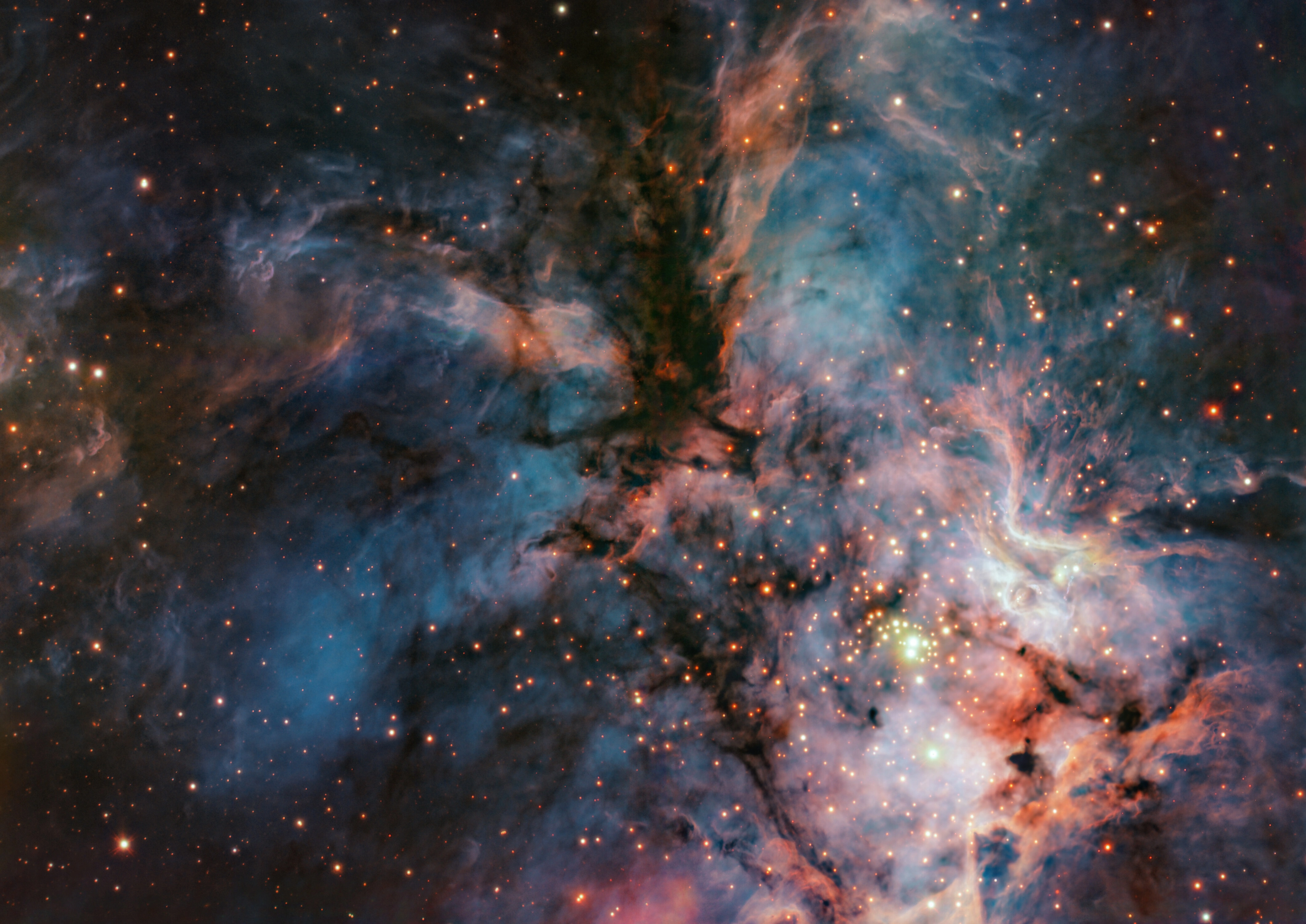
Lilly Kormann, Emily Hunt | 4 March 2026 | Header image: ESO/A. R. G. do Brito do Vale et al.
Aside from the monthly newsletter, we also post newly defended PhDs, interviews, and other news throughout the month. You can always find them on the homepage of our site. In addition, our list of upcoming meetings is now updated.
We are sad to announce the passing of Vladimir Pavlovich Grinin.
This edition contains the latest abstracts from March 2026.
A method for constructing the joint mass function of binary stars
The initial mass function (IMF) describes the distribution of stellar masses in a population of newly born stars and is amongst the most fundamental concepts in astrophysics. It is not only the direct result of the star formation process but it also explains the evolution of galaxies' luminosities, metal yields, star-formation efficiencies, and supernova production rates. Because most stars exist in binary systems, however, a full statistical account of stellar mass requires not the IMF but rather the joint distribution of a binary population's primary- and secondary-star masses. This joint distribution must respect the IMF of the stars from which the population has been assembled as well as the distribution of mass ratios that results from the assembly mechanism. Despite its importance, this joint distribution is known only in the case of random pairing. Here we present a method for constructing it in the general case. We also illustrate the use of our method by recovering the known result for random pairing and by finding the previously unknown result for uniform pairing.
Substellar Initial Mass Function of Trumpler 14
Young, massive stellar clusters offer a prime setting to explore brown dwarf (BD) formation under high densities and intense UV radiation. Trumpler 14 (Tr 14), a 1 Myr-old cluster located at a distance of 2.4 kpc, and particularly rich in O-type stars, is an ideal target for such a study. Our goal is to measure the initial mass function (IMF) in the young massive, high UV flux cluster. We present the deepest study to date of the IMF in Tr 14 based on GeMS/GSAOI imaging. We construct the IMF using both the Besancon Galactic model and an observational control field from VISTA for background correction. Completeness was assessed using artificial-star tests and applied to the IMF derivation. We estimate the IMF down to the 20% completeness limit found at 0.01 MSun. Using the control field-based IMF as our primary result, we find a slope of alpha=0.14+-0.19 for masses between 0.01-0.2 MSun, and alpha=1.72+-0.04 for 0.2-4.5 MSun. The low-mass slope is largely influenced by the incompleteness-affected lowest bin; excluding it brings our results into agreement with those from other young clusters. The resulting median for the star-to-BD ratio in the 0.03-1 MSun mass range is 4.0, with a 95% confidence interval of 2.8-5.8. Our analysis reveals that Tr 14 hosts a relatively flat substellar IMF, but this is strongly influenced by the lowest-mass bin, which may be affected by incompleteness. When that bin is excluded, the IMF becomes consistent with those of other regions. The star-to-BD ratio falls within the usually observed 3-6 range, indicating that brown dwarfs with masses above 0.03 MSun form with similar efficiency across environments. However, the relative lack of objects below this threshold suggests that the presence of an environment with both high stellar density and FUV flux may play a role in shaping the IMF by suppressing the formation of BDs at masses < 0.03 MSun.
The role of detailed gas and dust opacities in shaping the evolution of the inner disc edge subject to episodic accretion
We investigate the effects of different dust and gas opacity descriptions on the structure and evolution of the inner regions of protoplanetary discs. The influence on the episodic instability of the inner rim is hereby of central interest. 2D axisymmetric radiation hydrodynamic models are employed to simulate the evolution of the inner disc over several thousand years. Our simulations greatly expand on previous models by implementing detailed opacity descriptions in terms of their mean and frequency-dependent values, allowing us to also consider binned frequency-dependent irradiation. The adaptive opacity description significantly affects the structure of the inner disc rim, with gas opacities exerting the greatest influence. The resulting effects include shifts in the position of both the dust sublimation front and the dead zone inner edge, a significantly altered temperature in the dust-free region and the manifestation of an equilibrium temperature degeneracy as a sharp temperature transition. The episodic instability due to MRI activation in the dead zone still occurs, but at lower inner disc densities. While the gas opacities set the initial conditions for the instability, the evolution of the outburst itself is mainly governed by the dust opacities. The analysis of criteria for non-axisymmetric instabilities reveals possible breaking of the density peaks produced by the burst. However, due to the periodicity of the instability, the inner edge itself may remain stable throughout quiescent phases according to linear criteria. Although the thermal structure of the inner disc is crucially affected by different opacity descriptions, the mechanism of the periodic instability of the DZIE remains active and is only marginally influenced by gas opacities. The observational consequences of the severely altered temperatures may be significant and require further investigation.
Identifying Evolutionary Stages of Molecular Clumps through Unsupervised and Supervised Machine Learning
The evolutionary classification of molecular clumps, crucial for understanding star formation, is commonly based on human-assigned categories derived from infrared (IR) emission and well-established morphological criteria. However, due to ambiguous signatures, distance uncertainties or heavily obscured IR emission, a significant fraction of sources often remains unclassified. This work demonstrates the capability of machine learning (ML) as a complementary, data-driven approach to automate the identification and classification of these clumps using data from the MALT90 survey, complemented by Spitzer IR photometry. We applied unsupervised clustering with HDBSCAN on molecular line intensities, revealing distinct groupings that correspond to evolutionary stages. Using only five molecular lines (HCO, HNC, NH, HCN, CH), we identified stable clusters of protostars and regions without active star formation, driven primarily by CH and NH emission. Incorporating HCO gave rise to a distinct UV-dominant cluster, tracing more evolved regions. Infrared properties appeared as non-significant features implying that envelopes of clumps with different masses are similar in their global infrared characteristics. We then employed supervised learning to classify clumps with previously uncertain categories and provided classifications for 522 objects, predominantly as regions without active star formation. Our results show that ML techniques can effectively uncover intrinsic evolutionary structures in complex astrochemical data and assign categories to uncertain sources, providing a powerful, data-driven complement to traditional methods.
A multiwavelength ALMA view of gas and dust in binary protoplanetary system AS 205: Evidence of dust asymmetric distribution
We present Atacama Large Millimeter/Submillimeter Array observations of multi-wavelength dust emissions at 3.1 and 1.3 mm; along with molecular line emissions of CO(2-1), CO(3-2), CO(3-2), and CO(3-2) at spatial resolutions of 7-45 AU towards the protoplanetary system AS 205. The dust emissions exhibit two distinct components of AS 205 N and AS 205 S, separated by 1.3 arcsec. While gas kinematics within the dust disk regions are dominated by Keplerian rotation, the more extended gas emission displays complex morphology and kinematics strongly affected by the binary gravitational interaction in the outer regions. The stellar masses of AS 205 N and AS 205 S are estimated at and M, respectively. Azimuthal variation is observed in the spectral index distribution of both disks. In AS 205 N, the spectral index minimum in the southwest is coincident with the peaks of CO(), CO(), and CO() integrated intensity and the relative position of its southern counterpart. On the other hand, the spectral index distribution in AS 205 S exhibits two prominent maxima, with the one in the northeast aligning with the peak of CO(), and the peak in the south coinciding with local maxima in CO() and CO() azimuthal profiles. These results suggest a correlation between dust grain size and/or optical depth with the gas distributions. Dust trapping along the spiral arms possibly contributes to the spectral index minima in AS 205 N; however, the observed asymmetry across both disks suggests the involvement of additional mechanisms.
The Montreal Open Clusters and Associations (MOCA) Database: A Census of Nearby Associations, Open Clusters, and Young Substellar Objects within 500 pc of the Sun
We present the Montreal Open Clusters and Associations database (MOCAdb), a public MySQL database with a Python interface. MOCAdb provides a census of memberships for 10259 associations and open clusters, with a comprehensive compilation of literature measurements such as spectral types, kinematics, rotation periods, activity indices, spectral indices, and photometry. All known substellar objects are cataloged in MOCAdb, along with 2943 public spectra, to enable the characterization of substellar association members. MOCAdb also features periodically updated calculations such as Galactic UVW space velocities. We use this compilation to construct mappings between independent association definitions, and to update the BANYAN membership classification tool, which now includes 8125 associations. The BANYAN model construction is improved to account for heterogeneous and correlated errors and to capture complex association shapes using Gaussian mixture models. Combined with Gaia DR3, this enabled us to identify 11535 yet unrecognized candidate members of young associations within 500 pc, mostly M dwarfs. Our results corroborate a recent observation that systematics up to 4 km/s remain in Gaia DR3 radial velocities for A-type stars. We present an updated census of age-calibrated exoplanets and substellar objects: 134 age-calibrated exoplanet systems (plus 121 TESS exoplanet candidates), 99 of which did not appear to have known memberships so far, and 455 substellar (L0 or later) candidate members of young associations, 196 of which appear newly recognized. We bring the total of candidate isolated planetary-mass objects to 101, 53 of which are newly recognized candidate members.
The GUAPOS project – VII: Physical structure and molecular environment of the G31.41+0.31 HII region
Ionised regions around OB-type stars are formed at an early stage of their evolution and are important to investigate the formation process of these objects. However, so far only few observations of their physical structure and interaction with the parental molecular cloud have been made. The high resolution and sensitivity of new instruments such as ALMA and the upgraded VLA allow us to fill this gap in our knowledge. We investigate the well known core-halo ultracompact HII region G31.41+0.31 and the surrounding molecular clump with the aim to determine the density and temperature of both the ionised and neutral gas, and possibly obtain a 3D picture of their spacial distribution. We take advantage of the full-band frequency coverage at 3 mm obtained with ALMA for the GUAPOS project to image the emission of a plethora of hydrogen recombination lines towards the G31.41+0.31 HII region as well as several molecular transitions which are tracers of medium-density (— cm) gas. The line data are complemented by continuum measurements obtained with the VLA at 1 cm and 7 mm. By fitting these lines also using a model that takes into account non-LTE effects we can investigate the density and temperature structure and the velocity field of the region. Our findings, based on a model fit accounting for non-LTE effects, indicate that the electron temperature of the HII region is mostly spanning a range between 5000 and 6000 K, while the density varies between 2500 and 7500 cm. All in all, the distribution of these parameters as well as the corresponding velocity field hint at a cometary shaped HII region expanding away from the observer to the NW. The molecular gas appears to be still infalling towards the peak of the UC HII region, and its density and temperature are consistent with pressure confinement of the ionised gas to the SE.
Surveying the Giant HII Regions of the Milky Way with SOFIA: VIII. W43 Main
In this eighth paper of the SOFIA-FORCAST series on Milky Way GHII regions, we present an analysis of the massive star-forming complex W43 Main. We compared our 11 - 37 micron maps with multi-wavelength observations from the near-infrared to radio, and investigated the physical nature of compact sources and dust substructures. We applied SED fitting to constrain properties of the compact infrared objects, and examined the evolutionary states of the extended subregions. We identified 20 compact infrared objects, 16 (80%) of which we classify as massive young stellar objects (MYSOs) or candidate MYSOs. W43 Main resides at the junction of the Scutum spiral arm and the Galactic Bar, a location where enhanced turbulence is anticipated and has been proposed as a potential influence on star-formation activity. Nevertheless, our analysis shows that its Lyman continuum photon production rate, the mass of its most massive MYSO, and its MYSO density are all consistent with the survey-wide median values. We therefore conclude that, despite W43 Main's unique Galactic environment, its present star formation activity appears broadly consistent with that of an average Galactic GHII region.
Observational Signatures of Planetary Tidal Disruption Events Around Solar-Mass Stars
The tidal disruption of planets by their host stars represents a growing area of interest in transient astronomy, offering insights into the final stages of planetary system evolution. We model the hydrodynamic evolution and predict the multi-wavelength observational signatures of planetary TDEs around a solar-mass host, focusing on Jupiter-like and Neptune-like progenitors and examining how different eccentricities of the planet's pre-disruption orbit shape the morphology and emission of the tidal debris. We perform 2D hydrodynamic simulations using the FARGO3D code to model the formation and viscous evolution of the resulting debris disk. We employ a viscous alpha-disk prescription and include a time-dependent energy equation to compute the disk's effective temperature and subsequently derive the bolometric and multi-band photometric light curves. Our simulations show that planetary TDEs produce a diverse range of luminous transients. A Jupiter-like planet disrupted from a circular orbit at the Roche limit generates a transient peaking at erg s after a 12-day rise. In contrast, the same planet on an eccentric orbit (e=0.5) produces a transient of comparable peak luminosity but on a much shorter timescale, peaking in only 1 day and followed by a highly volatile light curve. We find that the effect of eccentricity is not universal, as it accelerates the event for Jupiter but delays it for Neptune. A robust "bluer-when-brighter" colour evolution is a common feature as the disk cools over its multi-year lifetime. The strong dependence of light curve morphology on the initial orbit and progenitor mass makes these events powerful diagnostics. This framework is crucial for identifying planetary TDEs in time-domain surveys.
Probing the magnetic fields and dust properties in the young embedded star-forming region AFGL 6366S using Near Infrared and Optical linear polarimetry
We present Near-Infrared (NIR) and Optical linear polarimetry towards the partially embedded cluster AFGL 6366S. The polarization ranges from 0.44-10.3 per cent in NIR and 0.16-11.22 per cent in Optical bands. The position angle spans in both NIR and Optical bands. About 22 stars exhibit intrinsic polarization signatures. A polarization hole is evident towards the densest () and warmest () central cluster region. It is attributable to depolarization induced by Radiative Torque Disruption (RAT-D) of large grains and a modest contribution from magnetic-field tangling. The local magnetic field towards the cluster's central region is significantly misaligned with both the large-scale Galactic field and the long axis of the filament present in the region. The field morphology wraps around two dense molecular clumps of radii 0.34 pc and 0.22 pc and = cm and cm, respectively. The clumps are embedded in the filamentary structure and represent locally accelerated stages of mass accumulation. Gravitationally driven mass flows, largely perpendicular to the local magnetic field, produce a U-shaped field curvature across the filament axis. The plane-of-sky magnetic field strengths towards the two clumps are and . The corresponding mass-to-flux ratios ( and ) indicate that one clump is magnetically supercritical and the other is subcritical. The Alfven Mach numbers () 0.395 and 0.393 indicate that both the clumps are in sub-Alfvénic state.
The Extent of Solar Energetic Particle Irradiation in the Sun's Protoplanetary Disk
Solar flares emit X rays and high-energy (MeV-GeV) ions (Solar Energetic Particles, or SEPs). Astronomical observations show solar mass-protostellar fluxes are a factor times higher than the present-day Sun. Constraining in the early solar system is important for modeling ionization in the Sun's protoplanetary disk, the extent of magnetorotational instability or magnetocentrifugal outflows, or even production of short-lived radionuclides. Recent interpretations of meteoritic data – cosmogenic Ne in hibonite grains, initial ratios in Ca-rich, Al-rich inclusions (CAIs), or even inferences of live in CAIs – have suggested values , even as large as , which would make the young Sun extraordinarily active, even for a protostar. We constrain by re-examining these data. We conclude: cosmogenic Ne was produced in hibonite grains as they resided in the disk; was created in Cl-poor grains after the disk dissipated; was inherited from the molecular cloud, with almost no () created in the disk; and there is no evidence whatsoever for any live in CAIs. We show these data are consistent with a value for the first Myr of the solar nebula. The early Sun evidently emitted a flux of X rays and SEPs not atypical for a protostar.
Diverse stages of star formation in the IRAS 18162-2048 region. Emergence of UV Feedback
Methods: We obtained adaptive optics-assisted integral field spectroscopy in the near-infrared (IR) band () with VLT/SINFONI, complemented by VLA X and C bands (36 cm) and ALMA band 3 (3.3 mm) observations. Results: The near-IR continuum reveals two infrared sources, IRS 2 and IRS 7, while the main protostellar core IRAS 18162-2048 remains undetected up to . IRS 7 shows a peculiar Hydrogen Recombination Line Br profile with a narrow emission component superimposed on a broad absorption feature, consistent with a B2/B3 zero-age main-sequence star. Extended H emission exhibits a `sawtooth' pattern in the excitation diagram, characteristic of UV radiation in a PDR rather than shock excitation. The radiative transfer model Cloudy reproduces the H ro-vibrational populations for K and . VLA X and C bands observations reveal a compact radio source previously reported as a stationary condensation (SC) and coincident with IRS 7. For the first time, we detect IRS 7/SC in mm wavelengths. The spectral index in the 36 cm and 3.3 mm regime is consistent with optically thin free-free emission. Conclusions: Our near-IR and radio observations reveal that IRS 7/SC is a B2/B3 ZAMS star that has begun to photoionise its environment, giving rise to an extended PDR and a compact \ion{H}{ii} region. The coexistence of this source with the deeply embedded protostar IRAS 18162-2048 and other bubble-like structures in the field, suggests a multigenerational star-forming environment. Future \textit{James Webb Space Telescope} observations targeting the H pure rotational lines () and other HRLs less affected by extinction will be essential to characterise the cooler molecular and ionised gas to fully disclose the formation history of the region.
ALMA Band1 observations of the rhoOphW filament I. Enhanced power from excess microwave emission at high spatial frequencies
The rhoOphW photo-dissociation region (PDR) is an example source of bright excess microwave emission (EME), over synchrotron, free-free, and the Rayleigh-Jeans tail of the sub-millimetre (sub-mm) dust continuum. Its filamentary morphology follows roughly that of the IR poly-cyclic aromatic hydrocarbon (PAHs) bands. The EME signal in rhoOphW drops abruptly above ~30GHz and its spectrum can be interpreted in terms of electric-dipole radiation from spinning dust grains, or ``spinning dust''. Deep and high-fidelity imaging and spectroscopy of rhoOphW may reveal the detailed morphology of the EME signal, free from imaging priors, while also enabling a search for fine structure in its spectrum. The same observations may constrain the spectral index of the high-frequency drop. An ALMA Band1 mosaic yields a deep deconvolved image of the filament at 36-44GHz, which we use as template for the extraction of a spectrum via cross-correlation in the uv-plane. Simulations and cross-correlations on near-infrared ancillary data yield estimates of flux-loss and biases. The spectrum is a power law, with no detectable fine structure. It follows a spectral index alpha=-0.78+-0.05, in frequency, with some variations along the filament. Interestingly, the Band1 power at high spatial frequencies increases relative to that of the IR signal, with a factor of two more power in Band1 at ~20'' than at ~100'' (relative to IRAC3.6um). An extreme of such radio-only structures is a compact EME source, without IR counterpart. It is embedded in strong and filamentary Band1 signal, while the IRAC maps are smooth in the same region. We provide multi-frequency intensity estimates for spectral modelling.
G183: An outer galaxy filament feeding a massive protostar
We present the first detailed multi-tracer observation of a 5-pc long outer Galaxy filament, G183, and the massive young stellar object (YSO) IRAS 05480+2545 associated with it. Using the IRAM 30-m telescope at lambda = 1.4 and 3 mm, we probed the molecular gas distribution at angular resolutions of ~12"-28" (0.1-0.3 pc at d = 2.1 kpc). The velocity-resolved C18O(1-0) observations conclusively show a main filament with a skeleton of ridges. The main filament is a 5 pc long velocity-coherent structure with a continuous and quiescent velocity field along its length up to the star-forming hub that accretes mass from the filament. The internal gas kinematics of most of the G183 filament is dominated by thermal motions (sigma_NT/cs~1) and large-scale velocity gradients arising due to outflows and accretion of matter in the massive YSO. The dispersion-size relation almost up to 1 pc is consistent with Larson's law, suggesting that the origin of the filament is a turbulence cascade. The massive YSO, S1, with no corresponding radio continuum detection is characterized as a high-mass protostellar object with a mass of 156 Msun and an M/L ratio of 0.04. We identify a kinematic signature of the accretion of material from the filament onto the YSO, S1. The rates of molecular gas accretion and entrainment in S1 are estimated to be 8.6 and 2.6 (in units of 10^-4 Msun/yr), respectively. In comparison to the inner Galaxy high-mass star-forming filaments forming massive stars, G183 has a lower column density; however, the accretion and outflow rates in S1 are similar. The detection of hydrocarbons such as CH3CN and HC3N indicates the presence of hot-core chemistry in S1. These results highlight the universality of physical processes involved in massive star formation across a range of Galactic environments.
CHIMPS2: The physical properties and star formation efficiency of molecular gas in the Central Molecular Zone
We present Local Thermodynamic Equilibrium (LTE) estimates of the physical properties and star formation efficiency (SFE) of molecular gas in the Central Molecular Zone (CMZ), using new CO observations from the James Clerk Maxwell Telescope. Combined with CHIMPS2 CO and CO , and SEDIGISM CO data, we estimate a median excitation temperature of K for CO throughout the CMZ, with peaks exceeding K in the Sgr B1/B2 complex. Cooler gas dominates around Sgr A and nearby clouds. We derive a median H column-density of cm and a total CO-traced gas mass of M, consistent with previous estimates when accounting for spatial coverage. The instantaneous SFE is assessed using Hi-GAL compact sources detected at 70- and 160—500-. The 70--bright SFE, tracing current star formation, is modest overall but elevated in Sgr B1/B2, the Arches cluster, and Sgr C. In contrast, the 160—500- SFE, tracing cold pre-stellar gas, is more broadly enhanced, particularly in the dust ridge clouds and towards negative longitudes surrounding Sgr C. The contrasting distributions suggest an evolutionary gradient in SFE, consistent with a transition from dense, cold gas to embedded protostars. Our results imply that the CMZ may be enter a more active phase of star formation, with large reservoirs of gas primed for future activity.
Modelling the Break in the Specific Angular Momentum within the Envelope-Disk Transition Zone
The observations of protostellar systems show a transition in the radial profile of specific angular momentum (and rotational velocity), evolving from () in the infalling-rotating envelope to () in the Keplerian disk. We employ global MHD disk simulations of gravitational collapse starting from a supercritical prestellar core, that forms a disk and envelope structure in a self-consistent manner, in order to determine the physics of the Envelope-Disk Transition Zone (ENDTRANZ). Our numerical results show the transition from the infalling-rotating envelope to Keplerian disk happens through a jump in the profile over a finite radial range, which is characterized by the positive local gravitational torques. The outer edge of the ENDTRANZ is identified where the radial infall speed () begins a sharp decline in magnitude and begins a transition from toward . Moving radially inward, the centrifugal radius () is defined where first transitions to Keplerian velocity at the disk's edge. Farther inward of , model disk develops a super-Keplerian rotation due to self-gravity. The inner edge of the ENDTRANZ is defined at the centrifugal barrier () where drops to negligible values. Inside , a net negative gravitational torque drives mass accretion onto the protostar. On observational grounds, we identify a jump in the observed profile in L1527 IRS for the first time using the ALMA eDisk data. Comparison with the numerical radial behavior from our MHD disk simulations suggests the observed jump can be used as a kinematical tracer for the existence of ENDTRANZ. Our results offer insights into the observable imprint of angular momentum redistribution mechanisms during star-disk formation.
Molecular diagnostics for the mid-infrared emission of planet-forming disks. Carbon and oxygen elemental abundances
Mid-infrared observations of planet-forming disks reveal a wide diversity in molecular spectra. Carbon and oxygen abundances play a central role in setting the chemical environment of the inner disk and the spectral appearance. We aim to systematically explore how variations in elemental carbon and oxygen abundances affect the mid-infrared spectra of planet-forming disks, and to identify robust mid-infrared molecular diagnostics of C/H, O/H, and the C/O ratio. Using the thermochemical disk code ProDiMo and the line radiative transfer code FLiTs, we construct a grid of 25 models with varying carbon and oxygen abundances, covering a broad range of C/O ratios. We analyze the resulting mid-infrared molecular emission, including species such as , , , , . We find that the mid-infrared molecular spectra are highly sensitive not only to the C/O ratio, but also to the absolute abundances of carbon and oxygen. Despite the same disk structure and C/O ratios, molecular fluxes (e.g., , ) vary by more than an order of magnitude. This variation stems from the differences in excitation conditions and emitting regions caused by the elemental abundances of oxygen and carbon. We identify diagnostic molecular flux ratios - such as / and / - that can serve as tracers of C/H and O/H respectively. By combining these diagnostics, we demonstrate a method to infer the underlying C/O ratio. Our model grid provides a framework for interpreting mid-infrared molecular emission from disks, allowing estimates of elemental abundances if the disk properties and structure are known. Comparisons with recent JWST observations suggest that a variety in C and O abundances is seen in a sample of T Tauri disks, possibly shaped by disk transport processes and the presence of gaps.
Probing Dust in the MWC 480 Disk from Millimeter to Centimeter Wavelengths
We present deep, high-resolution (100 mas) Karl G. Jansky Very Large Array (VLA) Ka-band (9.1 mm) observations of the disk around MWC 480, and infer dust properties through a combined analysis with archival Atacama Large Millimeter/submillimeter Array (ALMA) data at 0.87, 1.17, 1.33, and 3.0 mm. The prominent dust ring at 95 au (B95) is detected at 9.1 mm for the first time, while the faint outer ring at 160 au is not revealed. Through non-parametric visibility modeling, we identified two new annular features: a plateau within 20-50 au across all wavelengths, and a shoulder exterior to the B95 ring at 0.87, 1.17 and 1.33 mm, consistent with signatures of planet-disk interaction. We find that the width of the B95 ring remains constant across wavelengths, suggesting that fragmentation dominates over radial diffusion or that unresolved substructure is present within the ring. Resolved spectral modeling yields two families of dust solutions that reproduce the observations equally well: compact grains or highly porous (90\%) grains, with carbonaceous components dominated by refractory organics or amorphous carbon, respectively. The inferred maximum grain sizes peak at the locations of the two rings and reach centimeter within the B95 ring. The total dust masses are / (large/small-grain solution in inner disk) and for the two dust mixtures. The B95 ring alone contains and , respectively, sufficient to assemble the cores of giant planets. Finally, we highlight the power of broadband, multi-wavelength observations in placing better constraints on dust composition and porosity in protoplanetary disks.
A Chemistry-First Centered Icy Chemical Inventory of Protostellar Sources with JWST
The chemical evolution in star forming regions is driven by the interplay between gas and ice mantles. Identifying the ice compositions at the early stage of star formation thus provides constraints on the chemical processes inaccessible from gas-phase characterizations. As part of the CORINOS program, spectra from the James Webb Space Telescope (JWST) MIRI MRS were taken toward four Class 0 protostars: IRAS 15398-3359, Ser-emb7, L483, and B335. The spectra were processed with simultaneous fitting of a continuum and silicate absorption to produce optical depth mid-infrared spectra of the ices at 5-28 m (360-2000 cm) toward these four sources. Simple molecules such as water (HO), carbon dioxide (CO), methanol (CHOH), formic acid/formate (HCOOH/HCOO), ammonia/ammonium (NH/NH), and formaldehyde (HCO) are the most abundant features in these ices, while complex organic molecules (COMs) represent a smaller contribution. Likely COMs include hydroxylamine (NHOH), methylamine (CHNH), and ethanol (CHCHOH). Absorption features belonging to functional groups such as -CH and -OH suggest that additional COMs are present, but these cannot be unambiguously assigned due to overlapping bands. Formation pathways toward these COMs utilizing radical-radical combination reactions based on laboratory simulation experiments is presented. By extension, COMs predicted by these reactions, but absent from the spectra, are discussed. The results provide insight into the chemical environment of these ices and also highlight the critical need for caution and sufficient evidence in order to confidently identify COMs in ice.
MHD Simulations of Strongly Magnetized HII Region Evolution: Evidence for Ionized Gas Filamentation
Recent JWST observations of HII regions in the Central Molecular Zone have shown a highly filamentary morphology distinct from HII regions in other parts of the galaxy. We present magnetohydrodynamic (MHD) simulations of strongly magnetized (plasma- << 1) HII region evolution that investigate and describe the formation of these ionized gas filaments. HII region evolution has been simulated in a 30 pc box, in distinct models with pre-placed overdensities in the ambient medium and overdensities that have been generated with driven turbulence. We find that when these overdensities are seeded in the ambient medium before the birth of the ionizing source, the photoionized plasma stripped off of these dense blobs is funneled into long filaments along the magnetic field lines. The length and emission measure of these ionized gas filaments are similar to the filaments observed in the Central Molecular Zone. Given that these filaments are effectively magnetically-confined flows of photoionized gas, their density and curvature are influenced by the density of the blob and the geometry of the configuration.
Dense gas linked to star-forming regions photoionised by embedded gamma-ray bursts
The 1-100 pc region embedding long-duration gamma-ray bursts (lGRBs) has been hitherto unexplored, as extremely high ionisation by the GRB prevents application of optical absorption spectroscopy on such distances. We show that the GRB ionising flux imprints a unique time- and spatially-dependent ionisation structure on the gas, that can be probed by X-ray absorption. Application of this model to a selected sample of 7 bright GRB X-ray afterglow spectra observed by \textit{XMM-Newton} EPIC-pn enables an independent, quantitative estimation of the density (log(n) 2-4) and distances (5-100 pc) of the ionized absorber directly from the GRB X-ray spectrum, thereby allowing us to locate the absorbing medium of this representative sample of long GRBs in the region of the density-size diagram populated by star-forming regions versus other gravitationally bound objects in the Universe. Our results provide one of the most direct links between lGRBs and star formation and open the potential of high-resolution X-ray spectroscopy as a powerful probe of star-forming regions that embed GRBs up to the highest redshifts.
Planet-Disk Interactions and the Convective Overstability. I. Low Mass Planets
Rapid inward migration driven by Type I torques threatens the survival of low-mass planets in their nascent protoplanetary disks (PPDs). Positive co-rotation torques offer a potential solution, but require viscous diffusion to remain unsaturated. However, it is unclear if (magneto)-hydrodynamic turbulence provides the necessary diffusion, and disk profiles supporting such torques are often also susceptible to the Convective Overstability (COS) for suitable gas cooling timescales. To this end, we investigate torques on low-mass planets through radially global 2D (razor-thin) and vertically unstratified 3D hydrodynamic simulations of PPDs with thermal diffusion and optically thin cooling. Our 3D models with thermal diffusion, which allows COS development, show systematically different torque behavior compared to 2D models, wherein COS is absent. In 3D, the COS saturates into large-scale, long-lived vortices that migrate radially and interact gravitationally with the embedded planet. When these vortices encounter the planet, they typically provide positive torque "kicks" counteracting inward migration, as the less-massive vortices are scattered onto horseshoe orbits by the more-massive planet. We validate our simulation methods against the theoretical framework of Paardekooper et al. (2011) and demonstrate that COS-induced torque modifications can extend migration timescales by factors of approximately 10. For plausible disk models, our results suggest that COS activity can lengthen migration timescales sufficiently to overlap with, or even exceed Super-Earth formation windows (0.1-5 Myr). In contrast, simulations with optically thin cooling do not show significant torque modifications, as COS saturates in near-axisymmetric structures without producing large-scale vortices for the disk models considered here.
ALMA Band 9 CO(6—5) Reveals a Warm Ring Structure Associated with the Embedded Protostar in the Cold Dense Core MC 27/L1521F
Infall and outflows, coupled with magnetic fields, rapidly structure the gas around newborn protostars. Shocks from interacting components encode the temperature and density distribution, offering a direct probe of the earliest evolution history. However, interferometric observations characterizing warm envelopes using high-excitation lines remain scarce. We present ALMA Band 9 observations of the Taurus dense core MC 27/L1521F, which hosts a Class 0 protostar, targeting the CO(=6-5) line at an angular resolution of 2\arcsec\ (300 au). We detect an off-centered ring-like structure with a diameter of 1000 au that was not identifiable in previous low- CO data, where emission close to the systemic velocity is strongly affected by optical depth. The ring shows a typical peak brightness temperature of 3 K at our resolution. Excitation considerations indicate that the detected CO(=6-5) emission likely arises from relatively warm ( K) and dense ( cm) gas embedded within the surrounding cold, dense core. The morphology and kinematics suggest an energetic and localized shock-heating event, potentially linked to dynamical gas—magnetic-field interactions in the earliest protostellar phase. Our results demonstrate that high- CO observations provide a powerful new window on warm and dense gas components, enabling a more direct view of the physical processes operating at the onset of star formation.
Dynamical masses of YSOs with the VLBA: DYNAMO VLBA: Trigonometric parallaxes and proper motions of YSOs in Orion
We present results from a multi-epoch Very Long Baseline Array (VLBA) survey of compact radio sources in the Orion complex, conducted within both the DYNAMO-VLBA and the GOBELINS projects. Our observations detected 216 compact radio sources, of which 58 yielded reliable multi-epoch astrometric solutions. For these sources, we derived trigonometric parallaxes and proper motions with typical precisions of about 0.05 mas and 0.10 mas yr, respectively. The measured parallaxes range between 2.26 and 2.65 mas, corresponding to distances of 380 - 440 pc, and delineate the depth of the Orion star-forming complex. We determine mean distances of pc for NGC 2068, pc for NGC 2024, pc for the Orionis region, pc for the Orion Nebula Cluster (ONC), and pc for L1641. A comparison with Gaia DR3 astrometry for 28 common sources reveals negligible mean parallax offsets ( mas) and small systematic differences in proper motions (0.07 mas yr), likely due to residual rotation of the Gaia reference frame. Our results demonstrate the capability of high-precision radio astrometry to map embedded stellar populations and to provide an independent calibration of the Gaia reference system in obscured regions.
Re-visiting the Canis Major star-forming region with Gaia data release 3 data
Context: The Canis Major (CMa) star-forming region, a remote molecular cloud complex within the recently discovered Radcliffe Wave, remains under-explored in the literature. Aims: We revisit the stellar census in the CMa region, characterizing its stellar population, kinematics, and age using recent astrometric and photometric data from the third data release of the Gaia space mission (Gaia DR3). Methods: We conducted a membership analysis of Gaia DR3 sources across a 16 deg field encompassing the youngest subgroups in CMa. This new stellar census, combined with spectroscopic observations, allowed us to investigate the structure, kinematics, and age of this region. Results: We identified 1531 objects as members of the CMa region, confirming 401 previously known members and introducing 1130 new candidate members. These objects have magnitudes ranging from 10 to 18 mag in the G band from Gaia DR3. We identified two subgroups of CMa stars in our sample labelled as Cluster A and Cluster B. They are located at roughly the same distance ( pc and pc) and exhibit similar space motions that can be derived thanks to the precise radial velocities obtained in this study. The subgroups have a mean isochronal age of about 2-3 Myr. However, based on infrared photometry we show that Cluster A has a higher fraction of disc-bearing stars suggesting that it could be somewhat younger than Cluster B. Conclusions: Our analysis provides new insights into the stellar population of the Canis Major region, by identifying new members, characterizing their kinematics, and assessing their evolutionary stages. Future studies incorporating additional data from upcoming Gaia data releases, multi-wavelength and high-resolution spectroscopic observations will be essential to further advance our understanding of the history of star formation in this region.
A Monopolar Jet from Protostar HOPS 10: Evidence for Asymmetric Magnetized Launching
A fundamental challenge in star formation is understanding how a protostar accretes mass from its circumstellar disk while removing excess angular momentum. Protostellar jets are widely invoked as the primary channels for angular momentum removal, yet the mechanism by which they are launched and extract angular momentum remains poorly constrained. Here we report high-resolution ALMA Band 7 (345 GHz) and Band 6 (230 GHz) observations of CO (3-2), CO (2-1), and SiO (5-4) emission from the protostar HOPS 10 (G209.55-19.68S2). The combined data trace both the entrained outflow and the collimated jet with excellent spatial and velocity resolution, revealing a uniquely monopolar protostellar jet, the clearest example reported to date. The system exhibits a distinctly unipolar high-velocity jet with velocity offsets of +44 to +66 km s-1, unlike the predominantly bipolar morphology characteristic of most protostellar jets. While the low-velocity outflow, with velocity offsets of -20 to +30 km s-1, is detected in both directions, the high-velocity jet appears only on one side, and this monopolarity is consistent across all tracers. Given the nearly edge-on geometry and low submillimeter extinction, comparable emission would normally be expected from both lobes. The shock tracer SiO emission confirms a genuine, highly collimated jet rather than cloud contamination, and no ambient structure is capable of obscuring a counterjet. We argue that intrinsically asymmetric mass loading along the disk magnetic field lines provides the most plausible explanation for the observed monopolarity.
Age and metallicity of the Milky Way's nuclear star cluster studied at 3 pc from Sagittarius A*
The Milky Way's nuclear star cluster (NSC) is a unique laboratory to study the formation and evolution of dense stellar systems around a supermassive black hole. Previous work suggests that most stars in the NSC are old; however, the detailed age and metallicity distributions remain uncertain. We constrain the star formation history (SFH) and metallicity of a poorly explored region located 3 pc from SagittariusA*. We analyse VLT/NACO imaging in an intermediate-band filter centred at 2.24 m, complemented by -band data. We construct completeness-corrected -band luminosity functions (LFs), clearly identifying the Red Clump and Red Giant Branch Bumps. The SFH is derived by fitting cumulative LFs with MIST, PARSEC, and BaSTI models spanning a wide range of ages and metallicities, using Monte Carlo sampling to estimate uncertainties. Metallicity constraints are refined using spectroscopic measurements from the literature. The stellar population is predominantly old and metal-rich: % of the stellar mass formed Gyr ago, with median [M/H] . An intermediate-age component at 2-3 Gyr contributes %, while minor populations are present at 400 Myr (%) and 20 Myr (%), the latter representing a small but non-negligible young population. Systematic uncertainties from stellar models, binning, photometric range, unresolved binaries, and filter choice are assessed. These results indicate early dominant formation, a significant 2-3 Gyr episode, and minor recent activity, consistent with spectroscopic measurements and with properties of the inner NSC and nuclear stellar disc.
Improving Accretion Diagnostics for Young Stellar Objects with Mid-infrared Hydrogen lines from JWST/MIRI
We present a comprehensive study of mid-infrared neutral hydrogen (H~\textsc{i}) emission lines in 79 nearby (d 200 ) young stars using JWST/MIRI. We aim to identify mid-infrared H~\textsc{i} transitions that can serve as reliable accretion diagnostics in young stars, and evaluate their utility in deriving physical conditions of the accreting gas. We identify and measure 22 H~\textsc{i} transitions in the MIRI wavelength regime (5-28 ) and perform LTE slab modelling to remove the H\textsubscript{2}O contribution from selected H~\textsc{i} transitions. We find that mid-IR H~\textsc{i} line emission is spatially compact, even for sources with spatially extended [Ne~\textsc{ii}] and [Fe~\textsc{ii}] jets, suggesting minimal contamination from extended jet. Although Pfund~ (H~\textsc{i}~6—5) and Humphreys~ (H~\textsc{i}~7—6) are the strongest lines, they are blended with HO transitions. This blending necessitates additional processing to remove molecular contamination, thereby limiting their use as accretion diagnostics. Instead, we identify the H~\textsc{i}~(8—6) at 7.502 and H~\textsc{i}~(10—7) at 8.760 transitions as better alternatives, as they are largely unaffected by molecular contamination and offer a more reliable means of measuring accretion rates from MIRI spectra. We provide updated empirical relations for converting mid-IR H~\textsc{i} line luminosities into accretion luminosity for 6 different H~\textsc{i} lines in the MIRI wavelength range. Moreover, comparison of observed line ratios with theoretical models shows that MIR H~\textsc{i} lines offer robust constraints on the hydrogen gas density in accretion columns, 10 to 10 cm in most stars, with some stars exhibiting lower densities (~cm), approaching the optically thin regime.
On Eccentric Protoplanetary Disks I – How Eccentric are Planet-Perturbed Disks?
Protoplanetary disks can become eccentric when planets open deep gaps within, but how eccentric are they? We answer this question by analyzing two-dimensional hydrodynamical simulations of planet-disk interaction. The steady state eccentricity of the outer disk (outside of the planet's orbit) is described as a balance between eccentricity excitation by the 1:3 eccentric Lindblad resonance and eccentricity damping by gas pressure. This eccentricity scales with , where is the planet-to-star mass ratio, is the disk aspect ratio, is the radial position of the outer gap edge divided by the planet's position, and and are the negative exponents in the disk's surface density and temperature power law profiles, respectively. We derive a semi-analytic eccentricity profile that agrees with numerical simulations to within 30%. Our result is a first step to quantitatively interpret observations of eccentric protoplanetary disks, such as MWC 758, HD 142527, IRS 48, and CI Tau.
A Collective Trigger for Widespread Planetesimal Formation Revealed by Accretion Ages
The formation of planetesimals was an integral part of the cascading series of processes that built the terrestrial planets. To illuminate planetesimal formation, here we develop a refined thermal evolution model to calculate the formation ages of meteorite parent planetesimals. This model includes chemical reactions and phase changes during heating, as well as natural variations in the proportions of the constituent phases of these planetesimals. We find that the parent bodies of non-carbonaceous (NC) and carbonaceous (CC) iron meteorites start forming at very similar times (~0.95 Myr after calcium-aluminium-rich inclusion [CAI] formation) and occupy overlapping time windows. NC and CC chondrite parent bodies formed later during non-overlapping periods. We combine these ages with proportions of isotopic end-members we recover from mixing models to construct records of motion throughout the protoplanetary disk. These records argue that NC and CC material traversed the barrier in the disk after ~0.95 Myr after CAI formation. The onset of this motion coincided with planetesimal formation, indicating that the phenomenon that drove motion also triggered planetesimal formation. We argue that this feature also served as the semi-permeable barrier in the disk. Although its identity is uncertain, the effects this phenomenon had on the timing of planetesimal formation and motion through the disk can now serve as constraints on models of disk evolution. Models that reproduce these effects would elucidate the nature and implications of this phenomenon, which is key to unlocking a holistic model of terrestrial planet building.
Detection of circumstellar disks around nearby young brown dwarf candidates
It is important to detect and study circumstellar disks around late-M and brown dwarfs of nearby young associations to understand how these very low-mass objects form and how rocky planets form around them. The detection of new very low-mass members of nearby young associations will also significantly improve our current understanding of young associations. We searched for new young very low-mass members with circumstellar disks in a sample of 3928 candidates. We constructed spectral energy distributions of all candidates using observational photometric data from DENIS, 2MASS, and WISE and trigonometric parallaxes from Gaia to detect infrared excess emission that indicates the presence of circumstellar disks. We then followed up spectroscopic observations of candidates to search for lithium to confirm their youth. The H_alpha emission line was used to detect accretion. We detected 23 among the 3928 candidates with circumstellar disks: Ten objects are new, and 13 were previously reported in the literature. Our mass estimates also indicate that 21 are brown dwarf candidates and 2 are very low-mass stars. DENIS J0534552-104808 has a Gaia distance of 238 pc and might be the first brown dwarf candidate member of a foreground population in front of the Orion D cloud. This foreground population is probably associated with the supergiant kappa Ori. Based on our spectroscopic observations, we detected lithium in 11 candidates. We also identified seven accretors and one potential accretor. The intense long-lived accretion detected in DENIS-P J0500245-333042, a 20 Myr old brown dwarf candidate may be additional evidence to favor the formation of rocky planets around very low-mass objects.
A Protoplanet Candidate in the PDS 66 Disk Indicated by Silicon Sulfide Isotopologues
Despite observational progress in planet formation, the stage in which planetesimals grow into planets remains poorly understood. During this phase, protoplanets may develop gaseous envelopes that are warmer than the surrounding disk gas, potentially providing observable signatures through molecules otherwise depleted in cold regions. In this Letter, we report the detection of the silicon sulfide isotopologues and in the protoplanetary disk around PDS 66 (MP Mus) at a significance of , using the Atacama Large Millimeter/submillimeter Array. These constitute the second and first detections of and in a protoplanetary disk, respectively. The emission appears as a compact source at au in the southwestern region of the disk, unresolved with a beam, and shows a velocity consistent with Keplerian rotation, suggesting a protoplanetary origin. By modeling the line fluxes, we constrain the emitting radius to au and estimate an SiS mass of g, corresponding to at least of the silicon contained in local dust grains. Because complete sublimation of a substantial fraction of dust grains by local processes is difficult to achieve, this result instead implies an accumulation of silicon from a larger region. We propose that a circumplanetary envelope surrounding a low-mass protoplanet, where pebble accretion and subsequent sublimation of grains may enhance gaseus silicon abundance with respect to observable dust grains around it, can account for the observed characteristics.
JWST-DECO: Temporal Variations in the Mid-IR Silicate Features of Two T Tauri Discs Based on Spitzer and JWST observations
Mid-infrared spectra of planet-forming discs commonly show prominent silicate emission, whose spectral shape is sensitive to the disc temperature distribution as well as its mineralogical composition. We report new James Webb Space Telescope (JWST) observations of the discs around Sz 96 and IP Tau and find that their silicate emission significantly changes in the 20 years since they were observed with the Spitzer Space Telescope (SST). Significant differences between the SST and JWST spectra are found for both sources, with flux variations of 10—15\% in Sz~96 and 30—35\% in IP Tau. Sz 96 dimmed at 18~ and did not change significantly at longer wavelengths, whereas IP Tau became brighter across the entire wavelength range, with a particularly strong enhancement around 10~ in the JWST data compared to the SST data. We propose that this large degree of variability is explained by structural changes in the inner regions of the discs. Specifically, we also find that crystalline silicates exhibit lower temperatures than amorphous silicates in the JWST data of both sources. This result supports the idea that crystalline grains, formed through high-temperature annealing in the inner disc regions, have been transported outward, leading to their presence in cooler regions of the disc. While similar behavior had been reported in previous SST-based studies, the much higher spectral resolution of JWST enables clearer identification of the crystalline features.
Carbon chain diversity in L1544 and IRAS 16293-2422: an astrochemical pathfinder study for the SKAO
Astrochemical observations have revealed a surprisingly high level of chemical complexity, including long carbon chains, in the earliest stages of Sun-like star formation. The origin of these species and whether they undergo further growth, possibly contributing to the molecular complexity of planetary systems, remain open questions. We present recent observations performed using the 100-m Green Bank Telescope of the prestellar core L1544 and the protostellar system IRAS 16293-2422. In L1544, we detected several complex carbon-bearing species, including , , , , , and , complementing previously reported emission of cyanopolyynes. In IRAS 16293-2422, we detected and, for the first time, . Thanks to the high spectral resolution, we refine the rest frequencies of several and transitions. We perform radiative transfer analysis, highlighting a chemical difference between the two sources: IRAS 16293-2422 shows column densities 10-100 times lower than L1544. We perform astrochemical modeling, employing an up-to-date chemical network with revised reaction rates. The models reproduce the general trends, with cyanopolyyne and polyynyl radical abundances decreasing as molecular size increases, but they underestimate the abundances of cyanopolyynes longer than by up to two orders of magnitude. Current models, which include the dominant neutral-neutral formation routes, cannot account for this discrepancy, suggesting that the chemical network is incomplete. We propose that additional ion-molecule reactions are crucial for the formation of these species. Developing a more comprehensive chemical network for long carbon chains is essential for accurately interpreting present and future observations.
The Structure and Kinematics of Three Class 0 Protostellar Jets from JWST
We present observations of jets within 2000 au of three deeply embedded protostars using 2.9-27 micron observations with JWST. These observations show the morphologies and kinematics of the collimated jets from three protostars, the low-mass Class 0 protostars B335 and HOPS 153, and the intermediate-mass protostar HOPS 370. These jets are traced by shock-ionized fine-structure line emission observed with the JWST NIRSpec and MIRI IFUs. We find that [Fe II] emission traces the full extent of the inner 1000 to 2000 au of the jets, depending on distance to the protostar, while other ions mostly trace isolated shocked knots. The jets show evidence of wiggling motion in the plane of the sky as well as asymmetries between blue and red-shifted lobes. The widths of the jets increase non-monotonically with distance from the central protostar, with opening angles ranging from 2.1 degrees to < 10.1 degrees for the three protostars in the sample. The jets have total velocities ranging from 147 to 184 km/s after correcting for disk inclination. For B335, an 8-month gap between NIRSpec and MIRI MRS observations enabled measurement of the tangential velocity of a shocked knot; in combination with the radial velocity, this shows that the jet has a different inclination than the outflow cavity. We find multiple knots before and during a recent outburst in B335, although the knots were more frequent during the burst. The asymmetries between blue- and red-shifted lobes strongly suggest complex interactions between the circumstellar disks and magnetic fields.
Quantifying Systematic Age Discrepancies in Very Young Star Clusters
We infer the ages of three young stellar clusters, NGC 2004, NGC 7419, and NGC 2100, using Stellar Ages, a statistical algorithm designed to infer stellar population properties from color magnitude diagrams. Recent studies have revealed emerging inconsistencies in the inferred ages of very young stellar clusters with ages less than or equal to 50 Myr. Here, we identify and quantify two distinct discrepancies. First, we identify a systematic age offset of 0.55 plus minus 0.09 dex between red supergiant and bright blue star age estimates, equivalent to a factor of approximately 3.5 in linear age, with bright blue star ages appearing systematically younger than those inferred from red supergiants. Second, given the observed numbers of red supergiants and bright blue stars, we find a pronounced deficit of lower-mass main-sequence stars relative to expectations from a standard initial mass function. Although these discrepancies resemble those reported for intermediate-age clusters, their magnitude and character suggest that they are unique to the evolution of massive stars. Together, these results highlight population-level inconsistencies with single-star evolutionary models and underscore the need to consider multiple evolutionary tracers when age-dating young clusters. By combining individual stellar ages with population-wide constraints, our approach refines prior work on cluster age determinations and provides new insight into massive star evolution and the interpretation of cluster demographics.
Bonnor-Ebert sphere collapse in filamentary structures
Star formation within filaments may arise due to the growth of cores according to linear perturbation theory. This implies a minimum core separation, as shorter modes would not be able to grow. While many observations agree with core separations by theoretical predictions, some observations also show star forming cores which lie closer together than the minimum wavelength given by perturbation theory. We explore whether non-linear effects during the late stages of core growth can explain the discrepancy between theory and observations. We perform three-dimensional hydrodynamical simulations with the Ramses code to follow the evolution of initial perturbations within filaments and compare the measured growth rates to expectations from theoretical models. Non-linear evolution sets in as soon as the core mass reaches a value where the gravitational potential is not any longer dominated by the cylindrical potential of the filament but by the spherical potential of the Bonnor-Ebert sphere. Consequently, core collapse is not triggered by the loss of hydrostatic stability of the filament but by the loss of hydrostatic stability of the Bonnor-Ebert sphere. As the core is embedded in the filament, the maximum core mass is given by the pressure within the filament which results in a constant line-mass threshold for core collapse. As core collapse is triggered as soon as overdensities reach a certain line-mass, cores which form as large line-mass perturbations during filament formation can go into direct collapse even if their separation is closer than predicted by linear perturbation theory. Therefore, our result can explain the discrepancy between theory and observations.
Characterising the magnetospheric accretion process of DF Tauri's primary
The accretion process in young stellar objects (YSOs) is fundamental to the formation of stellar systems. This process governs the star's mass assembly, the transfer of angular momentum, and the shaping of the protoplanetary disc, thereby influencing planet formation. For classical T Tauri stars (cTTSs), which are low-mass YSOs, accretion is a well-understood process. Their strong, dipolar magnetic field truncates the disc at a few stellar radii. Material is then channelled along these magnetic field lines, creating accretion funnel flows that fall onto the star's surface. However, this paradigm, known as magnetospheric accretion, is limited to isolated stars. The accretion process in multiple systems has not yet been fully understood. This work is part of a series of studies designed to build a framework to understand the accretion process in multiple star systems. The specific goal here is to determine how the magnetospheric accretion model can be used to describe DF Tau, a binary system where only the primary star is accreting material. To investigate how accretion occurs in a system where a single star is orbited by a non-accreting stellar companion, we used a time series of high-resolution spectropolarimetric observations from the ESPaDOnS instrument. This allowed us to study the accretion-related emission line variability, the veiling, and the magnetic field topology of the primary star in the system. Our research concludes that the primary star of the DF Tau system undergoes typical magnetospheric accretion. This process is driven by a strong dipolar magnetic field, which funnels accreting material onto the stellar surface, creating an accretion shock. We also identified a significant difference in the magnetic topology of the two stars querying the influence of accretion of the evolution of the magnetic field, or capture of the secondary star.
Stellar Paternity Tests: Matching High-Latitude B Stars to the Open Clusters of their Birth
OB stars generally form in open clusters within the Milky Way's thin disk, so when they are found at high Galactic latitudes, it is thought that they were ejected from their birth clusters during the past few tens of millions of years. Using Gaia Data Release 3 (hereafter DR3) data, we traced the kinematic trajectories of 39 high-latitude B-type stars and 447 Galactic open clusters with high-quality astrometry to search for moments of past intersection. In cases where we found matching trajectories, we also considered the clusters' HR diagrams to confirm parent-orphan pairs have matching ages. Further analysis of the clusters' core environments allowed us to determine a probable ejection mechanism. Through these paternity tests, we have identified possible origins for five of these orphaned B-type stars. Here we present the likely travel times, ejection velocities, and a discussion of the runaway mechanism for each case. We also identify one star whose trajectory did not bring it near the disk during the time period of our analysis, and we discuss its possible origins as well.
A tension between dust and gas radii: the role of substructures and external photoevaporation in protoplanetary disks
Protoplanetary disk substructures are thought to play a crucial role in disk evolution and planet formation. Population studies of disks large-sample size surveys show that substructures, and their rapid formation, are needed to reproduce the observed spectral indices. Moreover, they enable the simultaneous reproduction of the observed spectral index and size-luminosity distributions. This study aims to investigate the necessity of substructures and predict their characteristics to reproduce gas-to-dust size ratios observed in the Lupus star-forming region. We performed a population synthesis study of gas and dust evolution in disks using a two-population model (two-pop-py) and the DustPy code. We considered the effects of viscous evolution, dust growth, fragmentation, transport, and external photoevaporation. The simulated population distributions were obtained by post-processing the resulting disk profiles of surface density, maximum grain size, and disk temperature. Although substructures help reduce the discrepancy between simulated and observed disk gas-to-dust size ratios; even when accounting for external photoevaporation, they do not fully resolve it. Only specific initial conditions in disks undergoing viscous evolution with external photoevaporation can reproduce the observations, highlighting a fine-tuning problem. While substructured disks reproduce dust size and spectral index, they tend to overestimate gas radii. The results ultimately highlight the main challenge of simultaneously reproducing gas and dust sizes. One possible explanation is that the outermost substructure is linked to the disk truncation radius, which determines the gas radius, or that substructures are frequent enough to always be near the gas outer radius.
PDRs4All XXI. JWST-NIRCam Photometric properties of protoplanetary disks in the Orion Nebula Cluster
We use the high angular resolution NIRCam images from the PDRs4All program, combined with those of GTO program 1256, to extract key properties of disks in the Orion Nebula Cluster. We measure disk radii in silhouette against the bright background, identify dissociation fronts (DFs) and ionization fronts (IFs), determine Paschen intensities, and derive near-infrared spectral energy distributions (SEDs). From these diagnostics we define a typology of ONC disks. Type I sources show merged IFs and DFs close to the disk surface. Type II sources have DFs at the disk surface and IFs located tens of astronomical units away. Type III sources show a DF at the disk surface but no IF. For all types, PAH emission traces the PDR. We find that the disk radius increases with projected distance to the ionizing source , following , consistent with disk truncation by photoevaporation. Disk radii measured in the infrared are larger than those measured at millimeter wavelengths, suggesting radial dust segregation within the disks. In agreement with PDR models, the thermal pressure in the disk PDR increases with the FUV radiation field , but with a flatter slope. Finally, the SEDs of candidate Jupiter Mass Binary Objects (JuMBOs) are similar to those of Type III disks, except for JuMBO24, which resembles a Type I or Type II source. Its SED is consistent with a young low-mass binary hosting an unresolved ionized disk.
Orbital Motions of Binaries in Orion South
We present high-angular resolution () VLA and ALMA observations of Orion South separated by 15.52 years. The purpose of this study was to search for orbital motions in three close () binary systems in the region. We do not detect changes in the position angle of the binaries but in two of the cases we detect significant changes in their separation in the plane of the sky. We use these changes to estimate that the total mass of the binaries is in the 1-2 range. We also estimate the disk masses from the mm emission. The dust-to-stellar mass ratio is in the range of 0.04 to 0.18, values consistent with those expected for very early stellar evolution (Class 0) protostars.
Formation of Water-rich Giant Planet Satellites at Decretion Disk Ice Lines
The volatile budgets of giant planet satellites are critical to unraveling the origin of their building blocks within the circumplanetary disks that hosted them. The Galilean moons Ganymede and Callisto, as well as the Saturnian moon Titan, are known to be anomalously water rich on the basis of their mean densities and interior models informed by gravity data from Galileo and Cassini, characterized by ice-to-rock ratios around unity. Here, we show that the water-ice sublimation line in a decreting circumplanetary disk lends itself to the formation of a water-rich solid reservoir, serving as a natural site for the birthplace of icy satellites. Fundamentally, this reflects how interior to the ice line, water vapor is advected outward, while beyond it, water ice drifts inward as pebbles. Using a semi-analytic model for dust and vapor evolution, we simulate vapor and ice accumulation at the ice line, showing that solids just beyond it achieve steady-state ice-to-rock ratios a factor of a few higher than elsewhere in the disk. For typical disk parameters, this ice buildup occurs within a timescale of a few thousand years. We propose this as a first-order process that explains, at least to some extent, the compositions of three aforementioned satellites. We explore the impact of uncertain turbulence parameters on our results, namely the turbulent Schmidt number and Shakura-Sunyaev alpha, before discussing them in the context of icy satellite D/H ratios. We conclude by evaluating alternative scenarios for explaining water-rich satellites, based on the conversion of CO to CH4, with water as a by-product.
Young system development in a cometary globule: An investigation into the eccentric disk around AT Pyx in terms of planet-formation and interaction with its surrounding environment
This paper presents new data and analyses of the AT Pyx system, a disk-hosting young star located in a cometary globule in the Gum Nebula. This radiation-driven structure is an unusual environment for observations of planet formation and differs greatly from the low-mass star-forming regions disks are most commonly observed in. Aided by a collection of visual and spectroscopic data available for this system, this paper aims to infer the possibility of embedded planets existing within the disk and how the system's environment may affect its disk morphology. Using data from the VLT's instruments XSHOOTER, ESPRESSO and - most prominently - SPHERE along with data from ALMA, we make a variety of measurements (geometric, photometric and otherwise) to characterise the observed disk features and attributes such as spiral arms and eccentricity. Mapping of the velocity components is also undertaken using the ALMA gas line data to characterise disk orientation and determine the likelihood that the system is experiencing a late-stage infall event. The disk is found to be eccentric when deprojected. Under the assumption that the formation of a planet is wholly responsible for the primary and secondary spiral arms, we find the mass of such a planet can range between 0.004 and 3 Jupiter masses. Measurement of the velocities associated with nearby globule cloud material returns reasonable velocities for a late-stage infall event. We estimate far-ultraviolet field strength at AT Pyx's location to be low in comparison to other surveyed disks. We also find that AT Pyx is possibly a binary system. AT Pyx is the first disk within a cometary globule to be spatially resolved, and is now the first such disk to be investigated to this extent. The work of this paper could potentially be a first step into the further study of disks in the moderate-FUV environment of the Gum Nebula and its globules.
Broadband infrared spectroscopy of methanol isotopologues in pure, H2O-rich, and CO-rich ice analogues
Deuterium fractionation is highly efficient during the early stages of star formation, particularly in starless and prestellar cores where temperatures are low (<10 K) and molecular freeze-out onto dust grains is significant. Methanol forms early in these environments following CO freeze-out via successive hydrogenation reactions on grain surfaces, while the production of deuterated methanol requires elevated gas-phase D/H ratios generated through dissociative recombination of deuterated H3+. Consequently, large abundances of deuterated methanol are observed toward young stellar objects where prestellar ices have recently sublimated. Here, we present laboratory infrared spectra of methanol and its deuterated isotopologues in astrophysical ice analogues, complemented by anharmonic vibrational calculations used to guide band assignments. Experiments were performed at the CASICE laboratory using a Bruker Vertex 70v spectrometer coupled to a closed-cycle helium cryostat, with isotopologue ices deposited at 10 K under high-vacuum conditions. Infrared transmission spectra were recorded over 6000-30 cm-1 (1.67-333 um) and compared with spectra of pure isotopologue ices. Distinctive mid-infrared band patterns are identified for each deuterated species. In particular, CH2DOH exhibits a characteristic doublet at 1293 and 1326 cm-1 (7.73 and 7.54 um), while CHD2OH shows a similar doublet at 1301 and 1329 cm-1 (7.69 and 7.52 um), both remaining largely invariant across all studied ice mixtures. These robust spectral signatures provide reliable tracers for identifying deuterated methanol in JWST observations and for constraining astrochemical gas-grain models of deuterium enrichment prior to star and planet formation.
Multi-frequency mapping of the S255IR region at a wavelength of 1~mm
The results of interferometric observations of the star-forming region S255IR in the frequency range 210—250 GHz are presented. The observations were carried out with the antenna array SMA (Hawaii, USA). Fifty-three molecules were detected, including complex organic molecules (COMs) such as CHCHO, CHCN, CHCHCN, and many others. Typical rotational temperatures in the hot core SMA1 fall in the range 100—200 K. Optical depths in the lines of methanol and some other molecules in the cores SMA1 and SMA2 were estimated. In SMA1, the optical depth of one of the strongest methanol lines, , proved to be . Based on this value, one can assume that the lines of other oxygen-containing COMs, such as CHOCHO, CHOCH, CHCHOH, which are typically much less abundant in hot cores than methanol, are optically thin in SMA1. Most of the detected molecules can be roughly divided into two groups. The molecules of the first group emit exclusively toward the hot core SMA1, while some or all lines of the molecules of the second group, in addition to SMA1, can be seen toward a ring-like structure to the west of SMA1. This structure is most likely associated with the walls of a cavity formed by high-velocity outflows driven by young stellar objects (YSOs) in molecular cores SMA1, SMA2, and possibly SMA3. The gas temperature and density in the cavity walls were estimated using methanol lines. The temperature was found to be about 50—60 K, and the density about cm. The column density of methanol near the brightness peaks in the lines of this molecule is about ~cm. The column densities of other COMs in the ring-like structure will be determined in future studies with increased sensitivity achieved by spectral line stacking.
Planet-forming disks and their environment across regions and time from the full NIR census
The evolution of planet-forming disks and the processes of planet formation influence each other, and both of them are possibly impacted by the local environment. Extensive high-resolution imagery of disks across space and time is the best tool for determining their evolution. We compiled a comprehensive list of disk-bearing young stars with near-IR high-contrast images available. The sample sums up to 268 sources, including 51 targets with no prior publications, which makes this study the largest of its kind and the most extensive release of IR disk images to date. Our census reveals very diverse disk and ambient morphologies. Disks in Lupus are bright, in Chamaeleon are faint, in Corona Australis and Taurus are frequently surrounded by ambient emission. Disks experience an abrupt increase in IR brightness between 2 Myr and 5 Myr. The earliest IR disk cavities around single stars arise after 2-3 Myr explaining why are young disks faint in the near-IR, and determining which disks can live longer. Well-known, high-longevity disks (>8 Myr) are always bright. Ambient material is detected in more than 20% of young sources but the fraction drops with time. We find a clear correspondence for the presence of ambient material with the stellar variability, near-IR excess, and mass accretion rate as well as, in turn, with spirals and shadows in disks. Half of the disks with ambient material show spirals while none of them show rings. We therefore propose that the spirals and the disk warps responsible for shadows are generally induced by late infall from the medium, and that this also affects the stellar accretion. The emerging picture proves the fundamental role of the environment for the disk evolution and planet formation.
The role of radiative torques in the molecular cloud core L43
Polarized emission from interstellar dust grains is commonly used to infer information about the underlying magnetic field from the diffuse interstellar medium to molecular cloud cores. Therefore, the ability to accurately determine properties of the magnetic field requires a thorough understanding of the dust alignment mechanism. We investigate the influence of anisotropic radiation fields on the alignment of dust particles by magnetic fields, known as radiative torque (RAT) alignment. Specifically, we take advantage of the unique spatial configuration of the molecular cloud core L43, which contains an embedded yet optically visible star acting as a local source of anisotropic illumination. Based on polarization maps obtained at wavelengths of (SOFIA/HAWC+), as well as and (JCMT/SCUBA-2), which show variations in the degree and angle of polarized emission across all wavelengths, we applied the differential measure analysis method to infer magnetic field strengths and analyze the global polarization spectrum of this source. We derived plane-of-sky magnetic field strengths ranging from approximately 13 to 60 , varying with wavelength, and find a negative slope of the polarization spectrum. Compared to 3D radiative transfer simulations, this finding can be attributed, at least partially, to variations in dust properties and temperatures along the line of sight. However, the additional influence of variations in the magnetic field orientation along the line of sight cannot be ruled out. Our results favor radiative torques as the primary alignment mechanism, as they indicate that the degree of polarization is dependent on temperature and hence the strength of the local radiation field.
Gaps and Rings: A Near-Universal Trait of Extended Protoplanetary Discs
Substructures such as rings, gaps, and cavities are commonly observed in protoplanetary discs and are thought to play a key role in dust evolution and planet formation. However, a fraction of the extended discs (68% dust radii > 30 AU) in nearby star-forming regions remain unresolved, leaving their substructure content uncertain and thereby limiting our understanding of dust evolution and the initial conditions for planet formation across the full disc population. We aim to investigate the presence of substructures in previously unresolved, extended discs to assess whether all extended protoplanetary discs in the Solar neighbourhood exhibit substructures. We present new high-resolution (0.12") ALMA Band 6 continuum observations at 1.33 mm of 26 previously unresolved, extended discs within 200 pc, completing the high-resolution sample of extended discs in Taurus, Ophiuchus, Chamaeleon, Lupus, Upper Scorpius, Upper Centaurus-Lupus and Lower Centaurus-Crux. We analyse radial intensity profiles using Frankenstein and Galario to detect substructures. Seventeen discs show clear substructures, while nine appear compact and structureless, smooth or ambiguous due to inclination or possible binarity/late-stage infall. We detect CO J=2-1 emission in 15 discs, with extended emission in four. Combined with literature data, our complete sample of 730 protoplanetary discs reveals that nearly all extended discs exhibit substructures, 91% detected in the full sample, and up to 98% when correcting for high-inclination systems where substructures may be hidden. Substructures are a near-universal feature of extended protoplanetary discs. They are more commonly detected in larger, massive discs and around higher-mass stars, and structured discs retain their dust mass over time. This supports the scenario in which dust traps, possibly induced by giant planets, shape disc morphologies.
ALMA Central Molecular Zone Exploration Survey (ACES) I: Overview
The mass flows and energy cycles within the inner regions of galaxies exert a powerful influence on the evolution of the galaxy population. The centre of the Milky Way is the only galactic nucleus for which it is possible to resolve the physical mechanisms that drive these cycles, namely star formation and feedback, while also tracing global (>100 pc) processes which determine where and when star formation and feedback occur. We present an overview of ACES, the 'Atacama Large Millimeter/submillimeter Array (ALMA) CMZ Exploration Survey', a ~1.5" angular resolution, 0.2-3 km/s spectral resolution ALMA Band 3 (85-102 GHz), survey of the 'Central Molecular Zone' (CMZ) – the inner-100 pc of the Galaxy (l = 359.4 deg to 0.8 deg). ACES spectral setup is tuned to observe optimal tracers of the physical, chemical, and kinematic conditions in over 70 spectral features (e.g. HCO+, HNCO, SiO, H40alpha, complex molecules) of the gas in the CMZ, to derive the properties of all potentially star-forming Galactic Centre gas, from global scales (100 pc) to dense ~0.05 pc structures that are expected to host individual star-forming cores, down to sub-sonic (<0.4 km/s) velocity resolution. In this overview paper, we provide the scientific justification for the ACES survey, explain the choice of observational setup, and describe the data legacy products. Finally, we show some of the initial ACES data which highlight the power of ACES' combination of high angular resolution, unprecedented spatial dynamic range, sensitivity, spectral resolution and spectral bandwidth as an illustration of how ACES aims to understand how global processes set the location, intensity, and timescales for star formation and feedback in the CMZ.
The Outflow of the B335 Protostar II: After the Outburst
The B335 protostar has undergone a major outburst detected in the scattered light of its outflow cavity that has not yet ended. B335 therefore offers the rare opportunity to study its effect on the jet of a protostellar object. Photometry of background stars behind B335 is used to map visual continuum extinction and HO ice absorption and demonstrates that the outflow has carved out a cavity. Precise proper motions of the shock fronts emerging from the B335 protostar were obtained. The kinematic age of the most prominent shock front (3E) corresponds to the early phases of the ongoing outburst of the B335 protostar. Shock 3E shows strong CO gas emission, as well as H and [\ion{Fe}{2}] emission. Older shock fronts show diminished CO emission and are dominated by H and [\ion{Fe}{2}]. The emission feature 0E, closest to the protostar, is distinct in proper motion and radial velocity from the other shock fronts in the jet. In the span of 4\arcsec\ closest to the protostar, the continuum extinction in front of the outflow cavity increases by A~~200 mag. The CO-line-removed spectra close to the protostar show the unsaturated absorption features of CO, OCN, and OCS have strongly increasing column densities toward the protostar. The ice characteristics are overall similar to those found in lines of sight with less extinction. The central regions of the bipolar nebula show CO gas emission, but at distances of a few arcsec from the protostar, absorption by CO gas is also detected.
Molecular Gas Morphological Analogues for the Milky Way
Complete catalogs of molecular clouds in the Milky Way allow analysis of the molecular medium and the star formation properties of the Milky Way that closely follows the method used for nearby galaxies. We explore whether the big dip in the radial distribution of molecular gas in the Milky Way is peculiar and find several other galaxies with similar patterns, all with similar morphological classifications of YClxxGnR, indicating a clearly defined, long bar leading to a grand-design spiral. This category is fairly rare among galaxies in the PHANGS sample, but all galaxies with this classification have some evidence for dips in the radial distribution of CO emission. The lengths of the bars correlate with the extents of the dips. The Milky Way and the other galaxies with dips have similar stellar masses and star formation rates, both lying near the high ends of the distributions for all PHANGS galaxies.
Early Stages of Protostellar Disk Evolution: A Link to the Initial Cloud Core
We study the structure and evolution of the very early protostellar disk (``protodisk'') just after protostar formation, where disk self-gravity dominates and the stellar contribution is dynamically minor. The disk redistributes angular momentum outward through outflows and gravitational torques, thereby helping to resolve the angular momentum problem of star formation. We develop a self-similar model and carry out a parameter study that examines disk stability as a function of the key drivers of early evolution, notably the infall rate from the envelope and the strength of the gravitational torques. The mass infall rate onto the disk is estimated to be that from the collapse of a Bonnor-Ebert sphere. Our results indicate that protostellar disks that form from more unstable initial cores are more likely to be Toomre-unstable. We also find that the specific angular momentum of young protostellar disks lie in the range . We find distinct power-law profiles of physical quantities in the protodisk stage, including a rotation velocity profile that is shallower than the Keplerian profile that would be established at a later stage. As a rough validity window, our assumptions are most secure during the first \,yr after protostar formation and may plausibly extend to \,yr under weak magnetic braking and strong infall.
Dust Morphology Under Changing Dust Mass Ratios in Protoplanetary Discs
Protoplanetary disc mass is one of the most fundamental properties of a planet-forming system, as it sets the total mass budget available for planet formation. However, obtaining disc mass measurements remain challenging, since it is not possible to directly detect H, and CO abundance ratios are poorly constrained. Dynamical measurements of the disc mass are now possible, but they are not suited to all discs since the measurements typically require well-behaved emission surfaces. A long-standing method is to obtain continuum flux measurements from the dust emission, and convert to a total disc mass by assumption of the dust-to-gas mass ratio, . This quantity is poorly constrained in protoplanetary discs. % We investigate the impact of on the morphology of planet-containing hydrodynamical simulations of dusty protoplanetary accretion discs, and suggest that if a planet mass estimate can be obtained, then disc morphology could be used to constrain in observed systems relative to each other, improving the total disc mass estimates of protoplanetary discs.
Using EUV driven external photoevaporation to test viscous evolution of protoplanetary discs
Protoplanetary discs are thought to evolve either through angular momentum transport driven by viscous processes or through angular momentum removal induced by magnetohydrodynamic (MHD) winds. One proposed method to distinguish between these two evolutionary pathways is by comparing mass accretion rates and disc sizes, but observational constraints complicate this distinction. In this study, we investigate how extreme ultraviolet (EUV) external photoevaporation affects the evolution of protoplanetary discs, particularly in environments such as the Orion Nebula Cluster. Using a combination of analytical derivations and 1D numerical simulations, we explore the impact of externally induced mass-loss on disc structure and accretion dynamics. We demonstrate that, in the viscous scenario, there exists a clear, near one-to-one correlation between the mass-loss rate due to external photoevaporative outflows and the mass accretion rate onto the central star. In contrast, MHD wind-driven discs do not exhibit such trend, leading to a distinct evolutionary path. External photoevaporative mass-loss rates and mass accretion rates can both be accurately measured for a population of discs, without a strong model dependence. Thus, our findings provide a robust observational test to distinguish between viscous and MHD wind-driven disc evolution, offering a new approach to constraining angular momentum transport mechanisms in protoplanetary discs. Applying this diagnostic observationally requires joint measurements of and for the same objects, which are currently scarce in bright HII regions due to contamination and sensitivity limitations.
B-field Orion Protostellar Survey (BOPS). IV: The Relative Orientation Between Magnetic Fields and Density Structures in Young Protostellar Envelopes
We investigate the relative alignment between density structures and magnetic fields in eight young protostars from the ALMA B-field Orion Protostellar Survey. Column density maps are derived from 870 m dust continuum emission, and the Histogram of Relative Orientations (HRO) method is applied to quantify the correlation between magnetic field orientations and density structures on envelope scales (10~au). We find that the relative alignment shows overall weak evidence of systematic evolution with column density, suggesting that column density alone does not fully determine the alignment. The magnetization level also plays a crucial role, with weakly magnetized envelopes exhibiting predominantly parallel or random alignment, whereas strongly magnetized ones show perpendicular configurations even at moderate densities. These results reveal that density and magnetization jointly shape the morphology of protostellar envelopes and the coupling between gravity and magnetic fields during early stages of star formation.
Keck Observations in the INfrared of Taurus and Oph Exoplanets And Ultracool dwarfs (KOINTREAU) I: A Planetary-Mass Companion and a Disk-Obscured Stellar Companion Discovered in Taurus
We present the first discoveries from Keck Observations in the INfrared of Taurus and Oph Exoplanets And Ultracool dwarfs (KOINTREAU), an adaptive optics imaging survey of young stars in the Taurus and Oph star-forming regions using the Keck infrared pyramid wavefront sensor (PyWFS). We have found two faint (K~7 mag), wide-separation companions to two ~3-Myr-old Taurus members. Relative astrometry for these systems show that both companions are bound to their host stars. We obtained near-infrared spectra of these companions using IRTF/SpeX (R~100) and Gemini/GNIRS (R~1000-2000), and combine these with photometry from our NIRC2 imaging, the Pan-STARRS survey, and Spitzer/IRAC archival imaging to constrain their properties. One companion, KOINTREAU-1b (at a projected separation of 690 au), has an average near-IR spectral type of M92, a gravity classification of VL-G, and a changing spectral type between the SpeX (M7) and GNIRS (L1) observations. We estimate this object's mass to be M, making KOINTREAU-1b the fifth planetary-mass companion found in Taurus. The other companion, KOINTREAU-2b (projected separation 560 au), has a spectral type of M4.51 but is ~4 magnitudes underluminous relative to other Taurus stars of the same spectral type. We detect exceptionally strong He I 1.083 micron emission from this object, indicative of outflows driven by ongoing accretion, but with a conspicuous lack of accompanying H emission. We conclude that KOINTREAU-2b is a young star obscured by an edge-on disk and observed in scattered light. Finally, we derive a distortion solution for NIRC2 imaging which shows a 0.118° difference in position angle from the previous distortion solution.
Keck Observations in the INfrared of Taurus and Oph Exoplanets And Ultracool dwarfs (KOINTREAU) II: Two Young Bound Companions to Ophiuchus Stars
We present the second set of discoveries from Keck Observations in the INfrared of Taurus and Oph Exoplanets And Ultracool dwarfs (KOINTREAU), an adaptive optics survey of young stars in the Taurus and Oph star-forming regions using Keck/NIRC2 in conjunction with the Keck infrared pyramid wavefront sensor. We have discovered two faint comoving companions to young stars ISO-Oph 96 and 2MASS J16262785-2625152. The companion to ISO-Oph 96, KOINTREAU-3b, is at a projected separation of 340 au (2.49"). Using our NIRC2 photometry and evolutionary models, and assuming that the companion has the same extinction as its host star, we infer that KOINTREAU-3b has a mass of M. The companion to 2MASS J16262785-2625152, KOINTREAU-4b, has a projected separation of 180 au (1.25") and could have a mass of either M or M, depending on whether the host star is a member of Oph or Upper Sco.
Time Lag between Accretion and Wind Events in the T Tauri Star RY Tau
The results of spectroscopic and photometric monitoring of the classical T Tauri star RY Tau are presented. The observation series span 220 nights from 2013 to 2024. During the observation period, the star's brightness varied within the range of V=9-11 mag. The rotation axis of the "star + accretion disk" system is tilted at a large angle, so the line of sight intersects the wind region and accreting flows in the star's magnetosphere. Variability in the short-wavelength wing of the Halpha emission line and the profile of the D NaI resonance doublet are analyzed. It is shown that the wind and accretion flows vary on a time scale of approximately 20 days. When the predominant flow direction changes, a time lag is observed: initially, accretion increases, and after two days, absorption in the line-of-sight wind decreases. It is concluded that the spectral line profiles are formed in the magnetospheric accretion flows and the conical wind originating from the boundary of the star's magnetosphere. The time lag is determined by the tilt of the magnetic dipole and the opening angle of the conical wind. It is assumed that RY Tau operates in an unstable propeller mode, and fluctuations in the accretion and wind flows are caused by density waves in the accretion disk.
First spectroscopic identification of the main sequence in Westerlund 1
Being the most massive known young stellar cluster in the Milky Way, Westerlund 1 (Wd1) constitutes an ideal benchmark for understanding the evolution of massive stars. However, the cluster age remains highly controversial (~4-10 Myr), hindering the use of Wd1 as a reference for massive star evolution. One of the main issues is high foreground extinction, which has so far prevented the detection of the main sequence. Using infrared spectroscopy we seek to detect the cluster's main sequence for the first time, to characterise the Hertzsprung-Russell diagram, and to use the cluster's turn-off to obtain a robust age estimate. We obtained multi-epoch, near-infrared VLT/KMOS spectroscopic observations of Wd1 to map its population of massive stars. The spectra of ~110 members were analysed with CMFGEN models to derive stellar parameters, populate the cluster Hertzsprung-Russell diagram, and compare it with isochrones from evolutionary models. Our observations returned 47 new spectroscopically identified cluster members, with spectral types O9-B1 III-V. The cluster turn-off indicates an age of 5.5+/-1.0 Myr at a distance of 4.23+0.23-0.21 kpc, displaying a moderate degree of coevality. We demonstrate that our estimate of the age of Wd1 is robust against reasonable changes in the distance and extinction law, and the adopted rotational velocity and metallicity of the stellar isochrones. We further find that ~65% of the OB stars with multi-epoch coverage exhibit radial-velocity variability. Infrared observations of the unevolved stellar population support a single episode of star formation with an age of ~5.5 Myr, reinforcing its potential as a benchmark for massive star evolution and providing a reference sample for future binary population studies.
ATOMS-QUARKS survey: Inflow and infall in massive protocluster G318.049+00.086: Evidence of competitive accretion
We present a gas kinematic study of the massive protocluster G318.049+00.086. The protocluster is reported to contain 12 prestellar core candidates and 4 protostellar cores. Filamentary structures are identified using the 1.3 mm dust continuum map, with four of them converge into a dense central region, forming a hub-filament system (HFS). High velocity gradients (10 - 20 km s pc) derived from PV analysis of HCO emission along three of those filaments are suggestive of mass inflow onto the central hub. A mass inflow rate higher than M Myr along the filaments is indicating that the central hub is capable of forming massive star(s). Investigation of HCO and CCH spectral profiles revealed the majority of the cores having the characteristic blue asymmetric line profiles, typical signature of gravitational collapse. The remaining few cores showed red asymmetric profiles, indicative of gas expansion. Also, the derived mass infall rates for the protostellar cores in hub-region is significantly higher in comparison to those located along the filaments. The mass-radius relationship of the cores revealed that the cores with red profiles reside in the massive star formation regime. However, the global velocity gradient along the filaments suggests that these particular cores are losing material to the hub. Our results are supporting a competitive accretion scenario of massive star formation where gas is expected to be funnelled from less gravitationally dominant cores to the cores located at the gravitationally favorable position.
Interstellar Medium in Extremely High Star-Formation Regions: A Prospect of Observations on the Millimetron Space Observatory
High star-formation rate and active galactic nucleus' emission can significantly transform the interstellar medium. In ultra-luminous infrared galaxies, in which the star-formation rate reaches thousands of solar masses per year, the gas and dust are considerably affected by the ionizing radiation, cosmic rays and shock waves, that can be about a factor of 100—1000 larger than typical values in quiet star-forming galaxies. In these conditions, the emissivity of the gas and dust changes: in dense gas, high ionic and molecular transitions become excited, while dust grains are heated to high temperatures. In this paper, we analyze the possibilities for studying the interstellar medium in extreme conditions of ultra-luminous infrared galaxies at redshifts of , utilizing the atomic and molecular lines, and dust continuum in far infrared range of m. We discuss the prospect of observations using the instruments of the Millimetron Space Observatory.
Gaia24ccy: An outburst followed the footsteps of its predecessor
Accretion-driven outbursts in young stellar objects remain poorly understood, largely limited by a statistically small sample of closely followed-up events. This underscores the importance of a thorough exploration of each outbursting object. We studied a peculiar outbursting system, Gaia24ccy, which exhibited two 3.8 mag outbursts in 2019 and 2024. The system consists of two unresolved, nearly identical, and rapidly rotating young stars: Gaia24ccy A (1.1419 days) and Gaia24ccy B (1.7898 days). Periodogram analyses just before the onset of the outbursts suggest Gaia24ccy B to be the outbursting component. Unlike any previously known EXor sources, the two outburst profiles show a very similar evolution: both rose at the same rate for the first 15 days, followed by many 'sub-bursts' on the timescale of 10-20 days. The 2019 outburst lasted 145-255 days, while the 2024 outburst persisted for 367 days. We infer the unstable region to lie at au (). The accreted mass per event can be provided by a compact inner-disk reservoir. The photometric rise/decay timescales and the mid-infrared color evolution favor a thermal-viscous trigger in a hot inner disk, while the appearance of rich emission-line spectra indicates concurrent magnetospheric compression - together best described by a hybrid picture. Finally, we explain the reddening of the mid-infrared color observed during the outburst as a consequence of the competing emission from the viscous disk and the photosphere.
Warm Debris Disk Candidates around Nearby FGK Stars from LAMOST DR12
Warm debris disks around main-sequence stars trace late-stage terrestrial planet formation. Motivated by the need for systematic searches of such systems, we identify debris disk candidates around FGK stars within 150 pc by combining a spectroscopically selected sample from LAMOST DR12 with Gaia astrometry and multi-band infrared photometry. Infrared excesses are identified through SED fitting and validated using conservative, source-by-source checks. This approach yields a final sample of 12 debris disk candidates including ten new detections. Stellar age research indicate that most of the host stars are several billion years old. NEOWISE monitoring reveals no significant W1/W2 variability, consistent with a circumstellar origin of the infrared excess. while a search for co-moving companions using Gaia DR3 reveals possible companions for only two candidates at very large projected separations (~au). Three candidates exhibit excess emission in both the W3 and W4 bands, allowing estimates of characteristic dust properties. This work establishes a small yet reliable sample of debris disk candidates anchored in homogeneous LAMOST spectroscopy, providing a foundation for future studies of debris disk evolution and stellar activity.
Carbon from Interstellar Clouds to Habitable Worlds
Carbon is an essential element for a habitable world. Inner (r < 3 au) disk planetary carbon compositions are strongly influenced by supply and survival of carbonaceous solids. Here we trace the journey of carbon from the interstellar medium to the processes leading to planet formation. The review highlights the following central aspects: -Organics forming in evolved star envelopes are supplemented by aromatic molecules forming in the dense ISM to represent the seeds of (hydro)carbon supply through pervasive pebble drift to rocky planets and sub-Neptune cores. -Within the protoplanetary disk the sharp gradient in the C/Si content of Solar System bodies and mineral geochemistry outlines a tale of carbon loss from pebbles to within planetesimals and planets, and from planetary atmospheres. -Within two planet formation paradigms (pebble and planetesimal accretion) a range of planetary carbon content is possible that is strongly influenced by early (< 0.5 Myr) formation of a pressure bump that titrates drift. Overall, it is unlikely that the carbon architecture of our Solar System applies to all systems. In the absence of giant planets, carbon-rich rocky worlds and sub-Neptunes may be common. We outline observations that support their presence and discuss habitability of terrestrial worlds.
Older Ages for 23 Pre-Main Sequence Stars in Upper Scorpius Using Dynamical Mass-Constrained Stellar Evolutionary Models
We present revised stellar ages for 23 pre-main sequence K- and M-type stars in the Upper Scorpius star-forming region, derived by using stellar dynamical masses to constrain isochronal ages from five pre-main sequence stellar evolutionary models. We find that mass-constrained stellar ages for all model sets are more consistent with the older, ~8-11 Myr age for Upper Sco derived using earlier-type stars. Additionally, applying the independent mass constraint to isochronal ages tends to 1) increase stellar ages for most model sets, and 2) decrease age scatter for individual sources between model sets. Models that account for global magnetic fields consistently produce the best match to our observations: they change comparatively little when the mass constraint is applied, and produce 9-10 Myr ages under both unconstrained and mass-constrained conditions. Most standard (nonmagnetic) models produce younger ages (3-5 Myr) when unconstrained, but older ages (6-9 Myr) when constrained by dynamical mass. Our results are consistent with literature findings that suggest median disk lifetimes may be >2x longer than previously thought.
PRODIGE - envelope to disk with NOEMA: VII. (Complex) organic molecules in the NGC1333 IRAS4B1 outflow: A new laboratory for shock chemistry
Shock chemistry is an excellent tool to shed light on the formation and destruction mechanisms of complex organic molecules (COMs). The L1157-mm outflow is the only low-mass protostellar outflow that has extensively been studied in this regard. Using the data taken as part of the PRODIGE (PROtostars & DIsks: Global Evolution) large program, we aim to map COM emission and derive the molecular composition of the protostellar outflow driven by the Class 0 protostar NGC1333 IRAS4B1 to introduce it as a new laboratory to study the impact of shocks on COM chemistry. In addition to typical outflow tracers such as SiO and CO, outflow emission is seen from H2CO, HNCO, and HC3N, as well as from the COMs CH3OH, CH3CN, and CH3CHO, and even from deuterated species such as DCN, D2CO, and CH2DOH. Maps of integrated intensity ratios between CH3OH and DCN, D2CO, and CH3CHO reveal gradients with distance from the protostar. Intensity ratio maps of HC3N and CH3CN with respect to CH3OH peak in the southern lobe where temperatures are highest. Rotational temperatures derived towards two positions, one in each lobe, are found in the range ~50-100 K. Abundances with respect to CH3OH are higher by factors of a few than for the L1157-B1. In conclusion, for the first time, we securely detected the COMs CH3CN, CH3CHO, and CH2DOH in the IRAS 4B1 outflow, serendipitously with limited sensitivity and bandwidth. Targeted observations will enable the discovery of new COMs and a more detailed analysis of their emission. Morphological differences between molecules in the IRAS 4B1 outflow lobes and their relative abundances provide first proof that this outflow is a promising new laboratory for shock chemistry, which will offer crucial information on COM formation and destruction as well as outflow structure and kinematics.
On the Origin of Kinematic Structure in the Young Association Serpens OB2
The Serpens OB2 association (l ~ 18.5 deg, b ~ 1.9 deg, d = 1950 +/- 30 pc) is a large star-forming complex ~65 pc above the Galactic midplane, with a clumpy, elongated structure extending ~50 pc parallel to the plane. We analyse probable association members, including OB stars and low-to-intermediate-mass young stellar objects (YSOs) from the SPICY catalogue. We use 13CO MWISP data to trace the molecular clouds. The OB stars are concentrated toward the centre of the association, coincident with a gap in the molecular clouds, and toward the side nearest the Galactic plane. The YSOs are distributed throughout the association, but cluster around molecular-cloud clumps. Using Gaia DR3 proper motions to probe the association's internal kinematics, we find aligned stellar velocities on length scales <2 pc, two-point statistics that show increasing velocity differences and predominantly divergent motions at larger separations, and distinct velocities for star clusters within the association. Finally, the association exhibits gradual but statistically significant global expansion perpendicular to the Galactic plane, with a spatial gradient of 0.10 +/- 0.02 km/s/pc. The clumpy stellar distribution, correlated velocities on small scales, and increasingly divergent motions on larger scales are consistent with an initial velocity field inherited from a turbulent molecular cloud modified by stellar feedback. The global vertical expansion may arise from large-scale turbulence or feedback-driven shell expansion, with the H II region Sh 2-54 preferentially pushing the molecular gas away from the Galactic plane. Ser OB2 demonstrates that the multi-scale expansion of an OB association can begin even while star formation is still ongoing throughout the complex.
A tale of three tails: A misaligned streamer and mysterious structures around [BHB2007]1
Recent discoveries of streamer-like structures around protostellar sources challenge the traditional picture of isolated, axisymmetric star formation. Here, we present new ALMA observations of [BHB2007]1, a flat-spectrum source connected to at least three such elongated structures. Two of these features are symmetrically located to the north and south of the disk, with velocities aligned with the disk on their respective sides. However, their unbound kinematics and curved morphology make it difficult to determine their origin. Possible explanations include outflows, interactions with the nearby BHB2 system, and hyperbolic infall, but none fully account for all observed properties. In contrast, a newly identified collimated structure to the west shows clear evidence of gravitationally bound infall. Estimates of its mass, mass infall rate, and angular momentum suggest that this infalling streamer would roughly double the mass budget available to form planets and tilt the disk by a few tens of degrees. Furthermore, its misalignment with the midplane of the disk and the lack of diffuse envelope emission indicate that the streamer may have formed due to gravitational capture of cloud material unrelated to the source's natal core. Together, these findings support a more dynamic picture of star formation, one where environmental interactions continue to shape conditions for building planetary systems.
Filamentary Hierarchies and Superbubbles II: Impact of superbubbles and galactic dynamics on filament formation and fragmentation
Large scale phenomena in spiral galaxies such as shear, supernovae, and magnetic fields all contribute to the formation and subsequent evolution of filamentary structure and star formation within them. In this paper, we analyze the properties and dynamics of filaments in a simulated Milky Way-like galaxy from Zhao et al. 2024. Using filament and superbubble structure analysis codes, we investigate the roles of galactic shear, supernovae and superbubbles, and magnetic fields on the stability and fragmentation of filaments. We find that local shear has little effect on filament stability and the largest structures at outer radii of the disk may be more likely to be dissipated by shear than supernovae. Filaments are largely parallel to the magnetic field, which plays a significant role in filament stability. By measuring the ratio of surface pressure on a filament to that on its central spine, , we find that filaments with are dominated by their own self gravity and have a strong tendency to be gravitationally supercritical, whereas those with are either transitory or in the act of being formed. Finally, we investigate the role of ISM pressure on filament dynamics and stability as a function of galactic radius, finding considerable changes in filament stability and the accompanying star formation rates in the inner versus outer regions of the disk.
Survival of Protoplanetary Disks in Upper Scorpius from Population Synthesis Models with External Photoevaporation
We present population synthesis models of viscous protoplanetary disks subject to mild external far-ultraviolet (FUV) radiation fields (G). Our simulations focus on gas disk evolution, exploring stellar masses drawn from an Initial Mass Function and a range of initial disk conditions. We quantify the fraction of surviving disks across of evolution, track the evolution of gas disk mass and size, and compare our results with observations of protoplanetary disks in the Upper Scorpius region, including the ten targets studied by the AGE-PRO ALMA Large Program. We find that models combining viscous evolution with external photoevaporation yield disk lifetimes of , consistent with observed dispersal timescales, particularly for . Low-mass stars (M) are more susceptible to disk dispersal due to their weaker gravitational binding, with their fraction among all surviving disks dropping from at birth to by . The majority of the long-lived disks are those with low viscosity and initial characteristic radius , while the initial disk-to-star mass ratio does not play an important role. The median gas disk mass and radius of the surviving disks exhibit a sharp decline in the first of evolution, followed by a slight increase that reflects survivorship bias. We also explore correlations between gas disk mass and size vs. stellar mass and FUV strength. Our findings highlight the critical role of external photoevaporation in shaping disk populations even at moderate levels of FUV radiation fields.
On the coupled origin of the stellar IMF and multiplicity
In the solar neighborhood, the Initial Mass Function (IMF) follows is canonically described by the Salpeter power-law slope for the high-mass range. The stellar IMF may directly result from a Core Mass Function (CMF) through accretion, gravitational collapse, and fragmentation. This inheritance implies that the mass of the gaseous fragments may be connected to the properties of clustered and multiple stellar systems. We aim to (i) quantify the influence of hierarchical fragmentation of cores on the resulting IMF, and (ii) determine the consequences of this fragmentation on the multiplicity of the stellar systems. We employed a scale-free, hierarchical fragmentation model to investigate the fragmentation of top-heavy CMF. Hierarchical fragmentation of gas clumps shifts the CMF towards lower mass range and can modify its shape. Starting from the top-heavy power-law CMF observed in W43-MM2&MM3 star forming region, we show that at least four levels of hierarchical fragmentation are required to generate the turn-over peak of the cIMF. Within a radius of 0.2-2.5 kAU, massive stars (M > 10 Msun) have on average 0.9 companions, five times fewer than low-mass stars (M < 0.1 Msun); the latter are less dynamically stable and should disperse. We show that a universal IMF can emerge from mass-dependent fragmentation processes provided that more massive cores produce less fragments compared to lower mass cores and transfer their mass less efficiently to their fragments. Hierarchical fragmentation alone cannot reconcile a universal IMF with observed stellar multiplicity. We propose that fragmentation is not scale-free but operates in two distinct regimes: a mass-dependent phase establishing the Salpeter slope and a mass-independent phase setting the turn-over. Our framework provides a way to compare core subfragmentation in various star-forming regions and numerical simulations.
Characterizing the Low-Mass Pre-Main-Sequence Population in the Low-Metallicity Star-Forming Region Dolidze 25 Using VLT-MUSE
The metallicity of the star-forming environment is a fundamental parameter shaping the evolution of protoplanetary disks and the formation of planetary systems, yet its influence remains poorly constrained. We present a spectroscopic study of low-mass pre-main sequence (PMS) stars () in the exceptionally metal-poor cluster Dolidze~25 (), using VLT/MUSE observations to probe accretion processes and disk evolution in a subsolar environment. We identify 132 cluster members using a combination of \textit{Gaia} astrometry and spectroscopic youth indicators, including lithium absorption and Balmer emission. The stellar parameters are derived using low-metallicity BT-Settl models yielding effective temperatures, extinctions, luminosities enabling robust estimates of stellar masses and ages. Mass accretion rates () derived from H emission span — with a median value of . These rates are comparable to those in solar-metallicity regions of similar age, such as Lupus and Orion, indicating minimal metallicity dependence in accretion processes. Our analysis shows that using solar-metallicity templates to fit low-metallicity stars leads to systematic overestimations of (by approximately ) and (by around ), underscoring the importance of employing metallicity-matched models for reliable characterization in low- environments. We present flux-calibrated, extinction-corrected spectra of these metal-poor PMS stars as a valuable resource for future investigations of disk evolution in subsolar regimes.
Linear filament and nested cluster evolution tomography (LANCET) I. Capture the evolution of dense gas in 14-parsec filament G316.8
A dynamic view of mass assembly is essential for understanding the formation of massive stars and clusters. Interpreting evolutionary diagnostics from Galactic-wide surveys, however, requires careful control of distance and environmental variations. The G316.8 filament provides an ideal laboratory: a 14-pc nearly linear structure composed of three contiguous subregions with comparable molecular gas reservoirs (~10,000 each) but spanning a clear evolutionary sequence from an infrared dark cloud (young) through a massive young stellar object (intermediate) to an HII region (evolved). As part of the Linear filament and nested cluster evolution tomography (LANCET) project, we mapped the full filament with the Atacama Compact Array at 1.3 mm, achieving 0.08 pc resolution over 17.1 pc. Combined with Herschel and APEX/ArTéMiS data, we derived high-resolution temperature and column-density maps. We quantify structural evolution using dense-fragment statistics, column-density PDFs, and -variance analysis. From young to evolved regions, the maximum fragment mass increases from 8 to 490 , while the dense-gas mass fraction ( g cm) rises from 0.4% to 9.6%. The N-PDF develops a secondary power-law tail and the -variance slope becomes progressively shallower, indicating ongoing assembly of dense sub-parsec structures. Our further ALMA 12m continuum and spectral line data will extend this dynamic scenarios down to 800 AU scale.
The Walkaway Star HP Tau/G2: Evidence for a Stellar Merger
HP~Tau/G2 is a luminous, short-period, fast-rotating G-type weak-line T Tauri star with a large radius, an oblate shape with gravity-darkening, little circumstellar material, and centered in a slowly expanding cloud cavity. It is an X-ray source and a variable nonthermal radio source. It forms, together with the late-type T Tauri star KPNO 15, a pair of oppositely directed walkaway stars launched when a multiple system broke apart ~5600 yr ago. Momentum conservation indicates a mass of G2 of only ~0.7 Msun, much lower than the ~1.9 Msun determined from evolutionary models. G2 is virtually a twin of FK Com, the prototype of a class of evolved stars resulting from coalescence of W UMa binaries. We suggest that G2 became a very close and highly eccentric binary during viscous evolution in the protostellar stage and with KPNO 15 formed a triple system, which again was part of a larger unstable group including the binary G3 and the single G1. Dynamical evolution led to multiple bound ejections of KPNO 15 before it finally escaped after ~2 Myr. As a result the G2 binary recoiled and contracted 5600 yr ago, became Darwin unstable and merged in a major outburst ~2000 yr ago. The nearby compact triple system G1+G3 was also disturbed, and broke up 4900 yr ago, forming another walkaway pair. The G5 star HD 283572 has similar unusual properties, indicating that G2 is not a pathological case. G2 is now fading towards a new stable configuration. YSO mergers may be rather common and could explain some FUor eruptions.
Want to see a paper in The Star Formation Newsletter next month?
Submit abstracts
to our submission form.
― Since the previous SFN ―
Loading...